

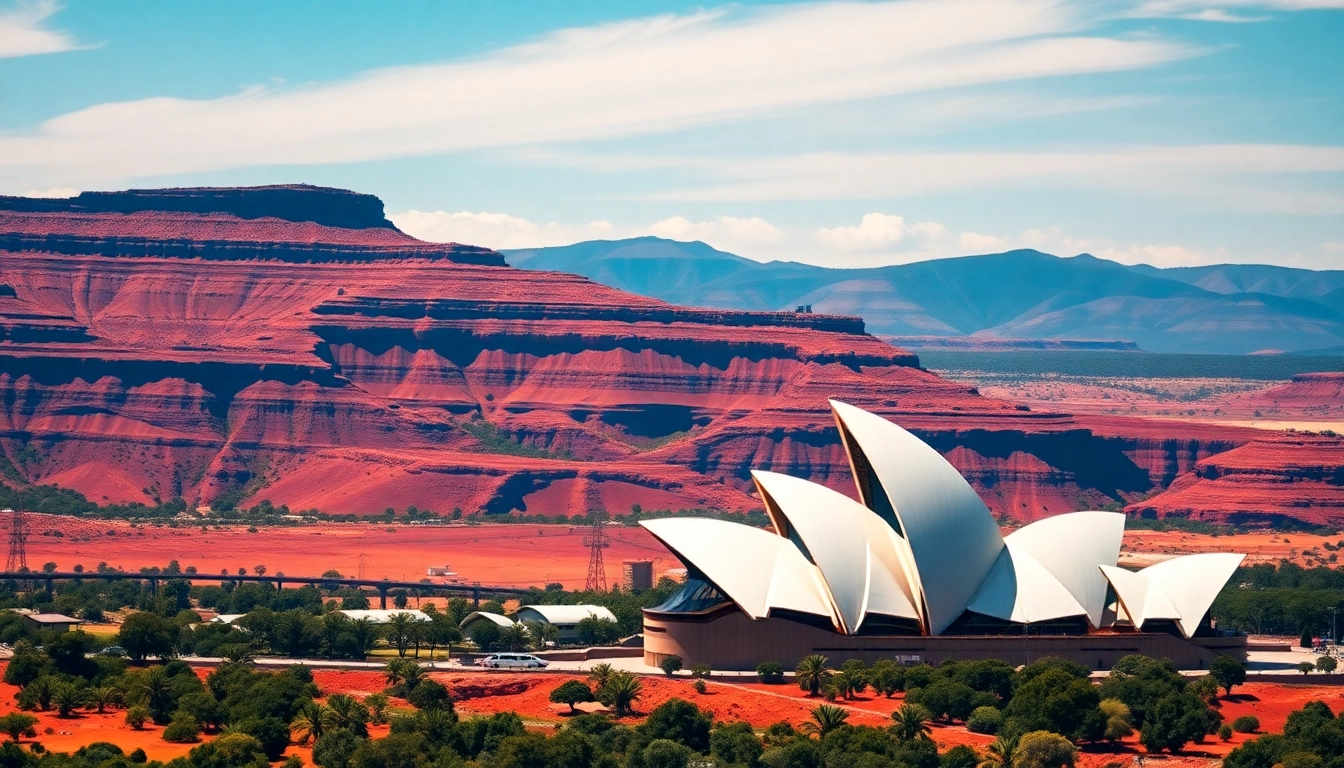
Introduction to Australia’s Unique Landscapes
Australia, known for its stunning biodiversity and vast landscapes, holds a plethora of geographical features that are unique to this continent-country. From arid deserts to flourishing rainforests, Australia’s diversity extends far beyond just its natural scenery. It is a land that captures the interest of travelers, environmentalists, and enthusiasts alike. Understanding the geographical and ecological complexity is crucial for anyone looking to explore or educate themselves about this fascinating region. From surfing the stunning coasts to trekking through the rugged outback, the call of Australia resonates with anyone seeking adventure. Australia offers a blend of scenic beauty, cultural diversity, and a rich historical backdrop, all worth delving into.
Geographical Overview of Australia
Australia is the world’s sixth-largest country by total area, largely comprising the Australian mainland and encompassing a variety of landforms, including mountains, plains, and deserts. The geography of Australia is as vast as it is diverse, featuring major natural landmarks like the Great Barrier Reef, the world’s largest coral reef system stretching over 2,300 kilometers along the Queensland coast, and the rugged Outback, characterized by sparse vegetation and remote locations. Australia’s capital is Canberra, but it is the cities such as Sydney, Melbourne, and Brisbane that are often first in the hearts and minds of visitors.
Diverse Ecosystems in Australia
The ecosystems within Australia range from rainforests and woodlands to grasslands and deserts. The Australian rainforests, primarily located in Queensland, are home to an array of flora and fauna endemic to this region. These ecosystems support countless species, including the iconic kangaroo and koala. Besides, Australia’s deserts, such as the Simpson and the Great Sandy Desert, although arid, are teeming with life forms that have adapted to the harsh conditions. Various national parks, such as Kakadu in the Northern Territory, act as significant conservation areas for these diverse habitats.
Distinct Climate Zones Across Australia
Australia experiences a variety of climate zones, influenced by its geographical location. The climate ranges from tropical in the north, with its wet and dry seasons, to temperate in the south. The interior of the continent is classified as arid and semi-arid, leading to unique adaptations among its flora and fauna. The coastal regions typically experience milder temperatures and more rainfall, creating lush conditions for agriculture and thriving ecosystems. The drastic contrasts in climate also affect seasonal behaviors among various species found across Australia.
Cultural Melting Pot: Australia’s Ethnic Diversity
Australia is not only rich in landscapes but also in cultural diversity. It is home to people from various ethnic backgrounds, making it one of the most multicultural countries in the world. The interactions between different cultural communities form a unique social tapestry, one that is celebrated through various cultural events and festivals throughout the year.
Historical Influences on Modern Australia
The history of Australia has significantly shaped its modern identity. Originally inhabited by Indigenous peoples, known for their deep connections to the land and rich cultural lore, Australia was later colonized by Europeans in the 18th century, bringing waves of immigrants from various backgrounds. This pivotal history has contributed to a complex society that values both its Indigenous heritage and the influences of multiculturalism. The acknowledgment and integration of this historical context are crucial to understanding Australia’s contemporary cultural landscape.
Celebrating Indigenous Cultures in Australia
The cultural heritage of Australia’s Indigenous people is celebrated through various channels, including art, music, dance, and story-telling. Festivals such as NAIDOC Week and the Indigenous Cultural Festival recognize and promote Indigenous cultures, fostering a greater understanding and respect among Australians and visitors alike. Approaches to cultural acknowledgment have been gaining momentum, emphasizing the importance of preserving these ancient traditions while integrating them into the fabric of modern Australian identity.
Multicultural Festivals and Events in Australia
Australia’s multicultural identity is further expressed through various festivals held nationwide, celebrating everything from food and art to music and dance from around the globe. Events like the Sydney Festival, the Melbourne International Comedy Festival, and the Adelaide Festival of Arts draw immense crowds and showcase the creative talents of diverse community groups. Such celebrations highlight the importance of community engagement and cultural exchange within Australia, inviting everyone to partake and appreciate different heritages.
Traveling Through Australia: Must-See Locations
Exploring Australia opens up a world of breathtaking sceneries and experiences. Whether visitors are adventuring through major urban centers or seeking the untouched beauty of natural landmarks, there’s no shortage of captivating places to see in Australia.
Iconic Cities in Australia
The bustling cities of Australia boast a variety of attractions, each with its unique personality. Sydney is renowned for its iconic Opera House and stunning Harbour, drawing millions of tourists each year. Melbourne, often dubbed the cultural capital, is famous for its vibrant arts scene, trendy cafes, and bustling laneways. Other notable cities include Brisbane, known for its warm climate and beautiful riverwalks, and Perth, offering a stunning coastline and a relaxed atmosphere. Each city not only showcases modern architecture but also provides insight into the local culture and history.
Natural Wonders of Australia to Explore
Australia is home to some of the most incredible natural wonders in the world. The Great Barrier Reef is essential for any adventurer, offering opportunities for snorkeling and scuba diving among vibrant coral and marine life. The Outback features remarkable sights like Uluru, a massive sandstone rock formation revered by Aboriginal Australians. Nature enthusiasts can trek through national parks like Grampians and the Blue Mountains to witness remarkable landscapes and diverse wildlife. The natural wonders encapsulated in Australia provide adventure and solace for explorers and nature lovers alike.
Tips for Sustainable Travel in Australia
As tourism continues to grow, sustainable travel practices are becoming increasingly important. Visitors can contribute to preserving Australia’s unique environment by minimizing their impact on resources. Recommendations include using public transport, supporting local businesses, and practicing responsible wildlife viewing. Travelers are also encouraged to follow guidelines when visiting natural sites to ensure they remain pristine for future generations. Understanding sustainable practices not only enhances travel experiences but contributes to the preservation of the environment and culture.
Economic Landscape of Australia
Australia features a robust economy characterized by a blend of agriculture, mining, and services sectors. Understanding this economic landscape is beneficial for anyone looking to invest, work, or live in Australia.
Key Industries Driving Australia’s Economy
The Australian economy is diverse and driven by several key sectors. Mining is a significant contributor, with Australia being rich in natural resources like coal, iron ore, and natural gas. The agricultural sector also plays a vital role, with Australia exporting a large portion of its produce, including wheat and cattle. Additionally, the service sector, encompassing areas such as education, tourism, and healthcare, has become increasingly dominant, supporting job growth and economic stability.
Understanding Australia’s Employment Market
The employment market in Australia presents numerous opportunities, particularly within the sectors of health care, construction, and technology. As the nation experiences a growing demand for skilled labor, particularly in metropolitan areas, programs and initiatives such as the Skilled Migration Program have been implemented to attract talent globally. Understanding local job markets and securing relevant qualifications are essential steps for those looking to carve out a successful career in Australia.
Investment Opportunities in Australia
Australia presents a wealth of investment opportunities, both for foreign and domestic investors. The stable political environment and strong regulatory frameworks provide a secure backdrop for investment. Sectors such as renewable energy, technology, and real estate offer significant potential returns. Each opportunity requires careful analysis of local market conditions, trends, and prospects to maximize the potential for successful outcomes.
FAQs About Living and Traveling in Australia
Is $70,000 a good salary in Australia?
For single individuals, a salary of $70,000 to $80,000 is generally considered good, providing a comfortable standard of living. Families typically require a higher combined income to manage expenses like housing and education.
What is the legal driving age in Australia?
The legal driving age in Australia varies by state but is typically 16 or 17 years. New drivers usually begin with a learner’s permit, requiring supervision by an experienced driver.
How can I set up a bank account in Australia?
To set up a bank account in Australia, you typically need proof of identity and address. This can include a passport, a visa, and documents such as a utility bill. Most banks offer online applications as well.
What languages are spoken in Australia?
The primary language spoken in Australia is English, but the nation is also home to a rich tapestry of languages due to its multicultural population, including Mandarin, Italian, Greek, and many Indigenous languages.
What is the best time to visit Australia?
The best time to visit Australia varies by region. Generally, spring (September to November) and autumn (March to May) offer mild to warm temperatures, making them ideal seasons for travel across most of the country.