

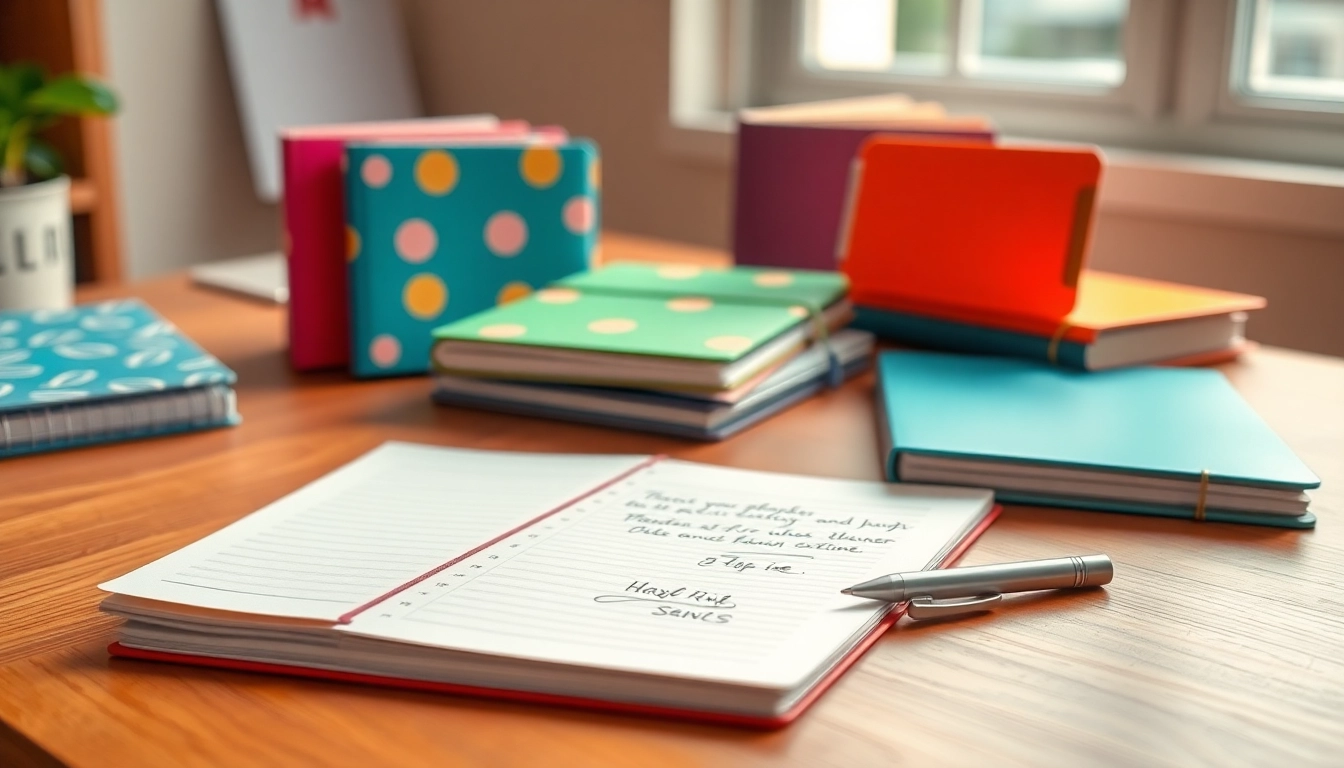
Understanding Stylus-Friendly Planners
In today’s digital era where technology meshes seamlessly with everyday activities, the demand for Stylus-Friendly Planners is rising rapidly. These planners cater to users looking to harness the precision of stylus pens while maintaining the creative and tactile experience of traditional planning. This article delves deep into what makes a planner stylus-friendly, the benefits of using such planners, and the different types available on the market.
What Makes a Planner Stylus-Friendly?
Stylus-friendly planners are designed specifically to accommodate writing devices such as styluses and digital pens. Several factors contribute to this compatibility:
- Paper Composition: High-quality paper provides the right texture and resistance needed for smooth writing.
- Surface Coating: A specialized finish can reduce drag, allowing the stylus to glide over the surface effortlessly.
- Thickness: The paper’s weight (measured in grams per square meter, or gsm) is often higher, preventing bleed-through from heavier inks.
Benefits of Using Stylus-Friendly Planners
Adopting a stylus-friendly planner can enhance your productivity through various benefits:
- Increased Precision: The fine tip of a stylus enables more accurate notes, sketches, or illustrations compared to traditional writing instruments.
- Digital Integration: Many stylus-friendly planners are designed to work in tandem with digital devices, allowing for easy syncing and data access.
- Customization: Users can personalize their planners with drawings, colors, and other creative elements, merging functionality with art.
Types of Stylus-Friendly Planners Available
When it comes to stylus-friendly planners, a few categories stand out:
- Digital Planners: These planners are designed for tablets and devices and can be filled with notes and drawings digitally.
- Hybrid Planners: Combining traditional paper layouts with digital capabilities, hybrid planners support both handwritten and typed notes.
- Specialty Notebooks: Some stationery brands offer specialty notebooks that are specifically designed for stylus use, focusing on paper texture and finish.
Features to Look for in Stylus-Friendly Planners
Choosing the right stylus-friendly planner requires consideration of several essential features that enhance usability and comfort:
Paper Quality and Texture
A crucial factor in the effectiveness of a stylus-friendly planner is its paper quality. Look for:
- Weight: Heavier paper often performs better with styluses, preventing bleed-through and tearing.
- Texture: A slightly textured surface can provide better control and tactile feedback, enhancing the writing experience.
Sizing and Layout Options
Planners come in various sizes, and the choice largely depends on personal preference and intended use:
- Portability: Smaller planners are more portable but might limit writing space.
- Layout Formats: Choose between daily, weekly, or monthly layouts based on how you prefer to organize your tasks and events.
Compatibility with Different Stylus Types
Not all styluses are created equal. Ensure that your planner is compatible with a range of stylus types, including:
- Active Styluses: These require power and are equipped with features for advanced functionalities.
- Passive Styluses: Simpler designs that rely on finger-like touch; the most basic form of stylus.
How to Effectively Use Stylus-Friendly Planners
Owning a stylus-friendly planner is the first step; knowing how to maximize its usage is essential for optimal productivity:
Techniques for Optimal Writing Experience
To enhance your writing experience with a stylus-friendly planner:
- Practice Grip: Finding a comfortable grip on your stylus can drastically improve your writing fluidity.
- Temperature Control: Ensure the writing surface is not too hot or cold, as this can affect ink flow and paper interaction.
Integrating Digital and Analog Planning
Many find that the combination of digital and analog methods enhances productivity:
- Syncing Data: Utilize apps that allow you to import/export your planner data to your devices, keeping everything updated.
- Digitally Scan Notes: Consider scanning your notes into digital formats for easy access and backup.
Maintaining Your Planner for Longevity
To keep your stylus-friendly planner in great condition:
- Storage: Store your planner in a protective case to prevent damage.
- Regular Cleansing: Keep the writing surface clean to ensure consistent performance from your stylus.
Comparing Stylus-Friendly Planners
To make an informed choice, various comparisons should be drawn among the available options:
User Reviews and Experiences
Analyzing user feedback is invaluable in understanding the real-world performance of planners. Look for:
- Detailed Reviews: Seek out testimonials that discuss the pros and cons of specific planners.
- Community Feedback: Engage with communities or online forums where users share their experiences.
Price Comparison and Value Analysis
Price ranges can vary widely. Consider:
- Quality vs. Price: Evaluate if the features align with your budget and needs.
- Long-term Use: A higher upfront cost may be justified by planned longevity and durability.
Best Practices for Choosing Between Options
To make your selection easier, consider the following:
- Define Needs: Assess your planning needs and pick a planner with the appropriate features.
- Test Before Buying: If possible, test various planners to find the right one that fits your personal preference.
FAQs About Stylus-Friendly Planners
What is a stylus-friendly planner?
A stylus-friendly planner is designed to pair effectively with stylus pens, providing a smooth writing experience without bleed-through.
Can I use any stylus with my planner?
Most planners are compatible with a variety of stylus types, but specific features may work best with certain styluses, check compatibility.
How can I improve my writing experience?
Experimenting with different grips and stylus techniques can enhance your writing fluidity. Also, ensure your planner is placed on a stable surface.
Are stylus-friendly planners available in different sizes?
Yes, they come in various sizes, ranging from compact to larger formats, allowing users to choose based on their personal needs and portability preferences.
How do I choose the best planner for my needs?
Identify your organizational requirements, consider your writing habits, and evaluate features like layout, size, and price before making a choice.