

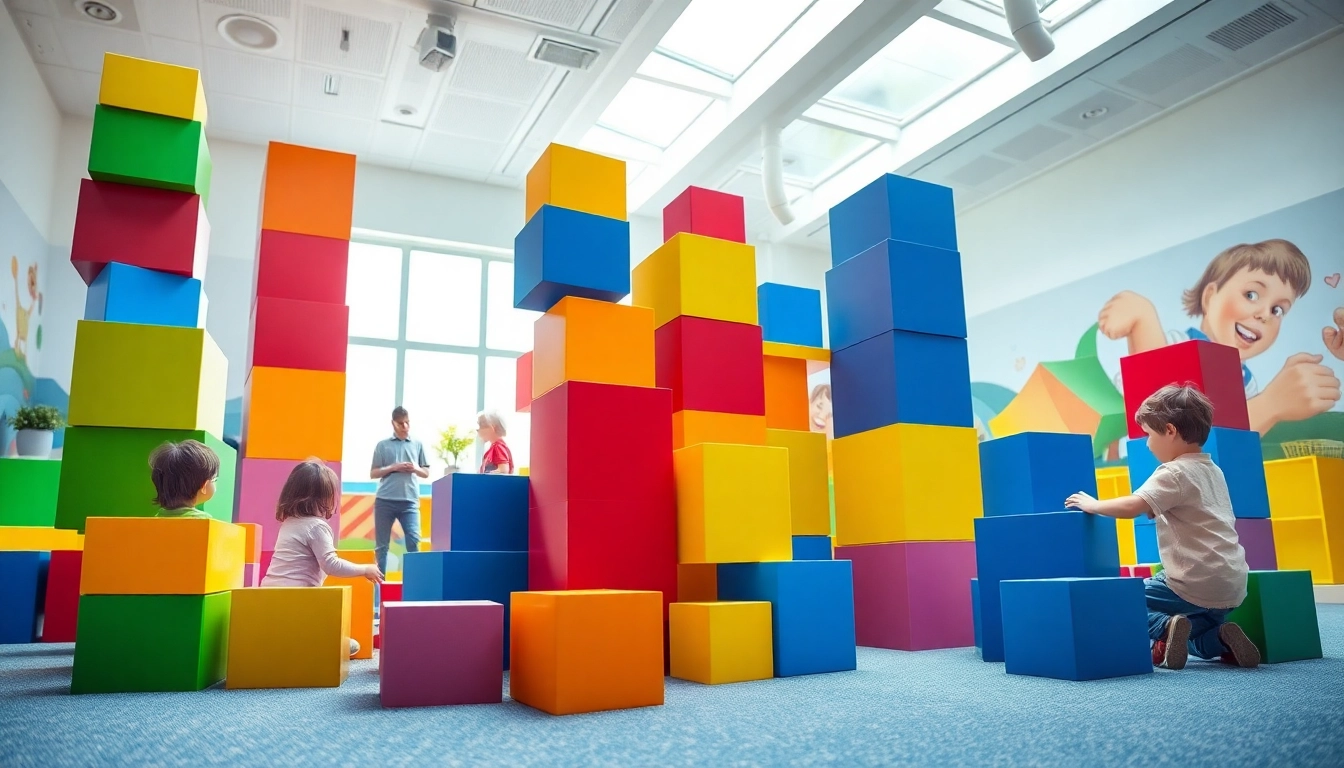
Introduction to Giant Foam Building Blocks
In a world that is increasingly influenced by technology, the importance of tactile, physical play remains paramount, especially in fostering child development. Giant foam building blocks emerge as a versatile tool that not only entertains but also empowers young minds and bodies. These blocks provide an innovative way for children to explore their creativity, learn collaboration, and build essential skills—both cognitive and physical. If you’re intrigued by the diverse applications and benefits of giant foam building blocks, find out more about their potential in your child’s playtime routine.
What are Giant Foam Building Blocks?
Giant foam building blocks are large, light, and soft building pieces traditionally made from high-density foam. They come in various shapes, sizes, and colors, allowing for endless creative possibilities in constructing various structures, from imaginative playhouses to simple walls. Their lightweight nature ensures that even the youngest children can handle them with ease, making them a popular choice in homes, daycare centers, and schools. Unlike traditional wooden or plastic blocks, these foam blocks are safe for indoor use, reducing the risk of injury when children engage in complex building tasks or during playtime activities.
Benefits for Child Development
Playing with giant foam blocks presents a wealth of developmental advantages. Not only do they enhance creativity, but they also facilitate essential learning outcomes through play. By using these blocks, children develop spatial awareness, improve their motor skills, and encourage problem-solving abilities. Additionally, playing with foam blocks helps enhance social skills as children learn to communicate and negotiate during group play. Parents and educators alike can leverage these benefits to create an engaging learning environment focused on exploration.
Types and Materials Available
Giant foam building blocks come in various types and materials depending on their intended use. Common materials include:
- High-Density Foam: Most commonly used due to its durability and softness, making it ideal for children.
- PE Foam: Lightweight and water-resistant, suitable for both indoor and outdoor play.
- Colorful EVA Foam: Often features vibrant colors and patterns that stimulate visual learning.
In terms of types, blocks can range from traditional rectangular shapes to themed sets depicting cultural architecture, animals, or vehicles, catering to various interests and imaginative ideas.
Building Skills through Play
Cognitive Benefits of Creative Play
Creative play through giant foam blocks significantly boosts cognitive development. When children build with blocks, they engage in critical thinking, planning, and decision-making processes. The act of imagining structures or scenarios enhances their ability to think abstractly. As they experiment with different designs, they begin to understand basic architectural concepts and gravity principles. Furthermore, engaging in such play encourages a love for learning and exploration, laying the foundation for future academic success.
Physical Development with Building Blocks
Physical skills are paramount in early childhood, and giant foam blocks are an excellent medium to enhance them. Manipulating blocks boosts fine motor skills as children grasp and stack pieces. Additionally, the balance required for constructing larger frameworks aids in developing gross motor coordination. Activities such as pushing, pulling, and climbing on block structures help improve physical fitness and body awareness, essential elements of early childhood growth.
Social Skills and Teamwork
Playing with giant foam blocks encourages teamwork and cooperation among children. When kids work together on construction projects, they learn invaluable social skills such as sharing, communication, and conflict resolution. Collaborative play fosters empathy and understanding, teaching children how to express their thoughts and listen to the input of their peers. These interactions are fundamental in developing emotional intelligence, a key skill for their future relationships and social interactions.
Setting Up for Epic Indoor Adventures
Choosing the Right Space
Creating an inspiring environment for foam block play can significantly enhance the experience. Ideal spaces include a large, open area with ample room to move around. Consider utilizing a playroom, a basement, or a spacious living room. Ensure that the chosen area is free of sharp objects or breakable items, allowing children to explore freely without the risk of injury or damage. Additionally, consider brightening up the space with colorful touches to stimulate creativity.
Safety Considerations
Safety should be a top priority when children are at play. Foam blocks are designed to minimize injury risk; however, certain precautions should still be implemented. Always supervise playtime to monitor interactions and prevent potential accidents. Keep the play area free from clutter to reduce tripping hazards. It’s also wise to establish rules around jumping or climbing on block structures to ensure children understand the boundaries of safe play.
Incorporating Themes into Playtime
Thematic play can further enhance engagement and creativity. Consider creating themed play scenarios, such as a construction site, a castle, or a cityscape using foam blocks. You can introduce storylines or specific tasks related to the theme, encouraging children to think critically and imaginatively. Additionally, rotating themes can keep the play experience fresh and exciting, igniting a continuous cycle of creativity and exploration in your children.
Engaging Activities and Game Ideas
Simple Stack and Build Challenges
To maximize the fun and developmental benefits, introduce simple stacking challenges. Children can compete to see who can create the tallest tower without it collapsing or attempt to replicate a specific structure from pictures. These activities not only promote healthy competition but also encourage critical thinking about balance, center of gravity, and design.
Collaborative Structure Projects
Encourage teamwork through collaborative group projects. Assign children to work together on a large construction project where they have to plan, discuss, and execute their ideas collectively. Not only does this foster social skills, but it also teaches them about the value of collaboration and the different strengths each team member can bring to a group effort.
Creative Storytelling Using Blocks
Incorporating storytelling into playtime can significantly enhance engagement. After constructing a building, children can narrate a story based around it—perhaps its role as a castle for a princess or a headquarters for superheroes. Storytelling encourages language development, creativity, and the ability to sequence thoughts, fostering their literacy skills in an enjoyable manner.
Maintaining and Storing Your Foam Blocks
Best Practices for Cleaning
Maintaining cleanliness and hygiene is crucial for children’s toys. Foam blocks can be easily wiped down with a damp cloth and diluted soap after play sessions, ensuring they remain free of dirt and germs. For more thorough cleaning, consider using a diluted vinegar solution that is safe for children and removes odors while disinfecting the surface.
Efficient Storage Solutions
Proper storage is essential in keeping foam blocks organized and in good condition. Utilize large bins or baskets to store blocks when not in use. Label containers according to color or shape to make it easy for children to find what they need. Consider encouraging children to participate in the cleanup process, which reinforces organizational skills and responsibility.
Long-term Care Tips
To ensure the durability of your foam blocks, avoid exposing them to harsh weather elements if using outdoor. Regularly inspect them for signs of wear and tear, such as cuts or tears—address any issues promptly to avoid further damage. Educating children on proper care practices can instill a sense of responsibility towards their toys, promoting long-term use.
Frequently Asked Questions
What age is suitable for foam building blocks?
Foam building blocks are generally suitable for children aged 2 and above, as they are safe for small hands and provide an age-appropriate challenge.
Are giant foam blocks safe for indoor use?
Yes, giant foam blocks are designed for indoor use, featuring soft edges and lightweight materials to minimize injury risk.
Can foam building blocks be used outdoors?
While foam blocks can be used outdoors, it’s essential to store them inside to prolong their lifespan and prevent damage from weather conditions.
How can I encourage teamwork with foam blocks?
Create group challenges or collaborative building projects that require children to work together towards a common goal.
What’s the best way to clean foam blocks?
Wipe foam blocks with a damp cloth and mild soap solution regularly to keep them clean and free of germs.