

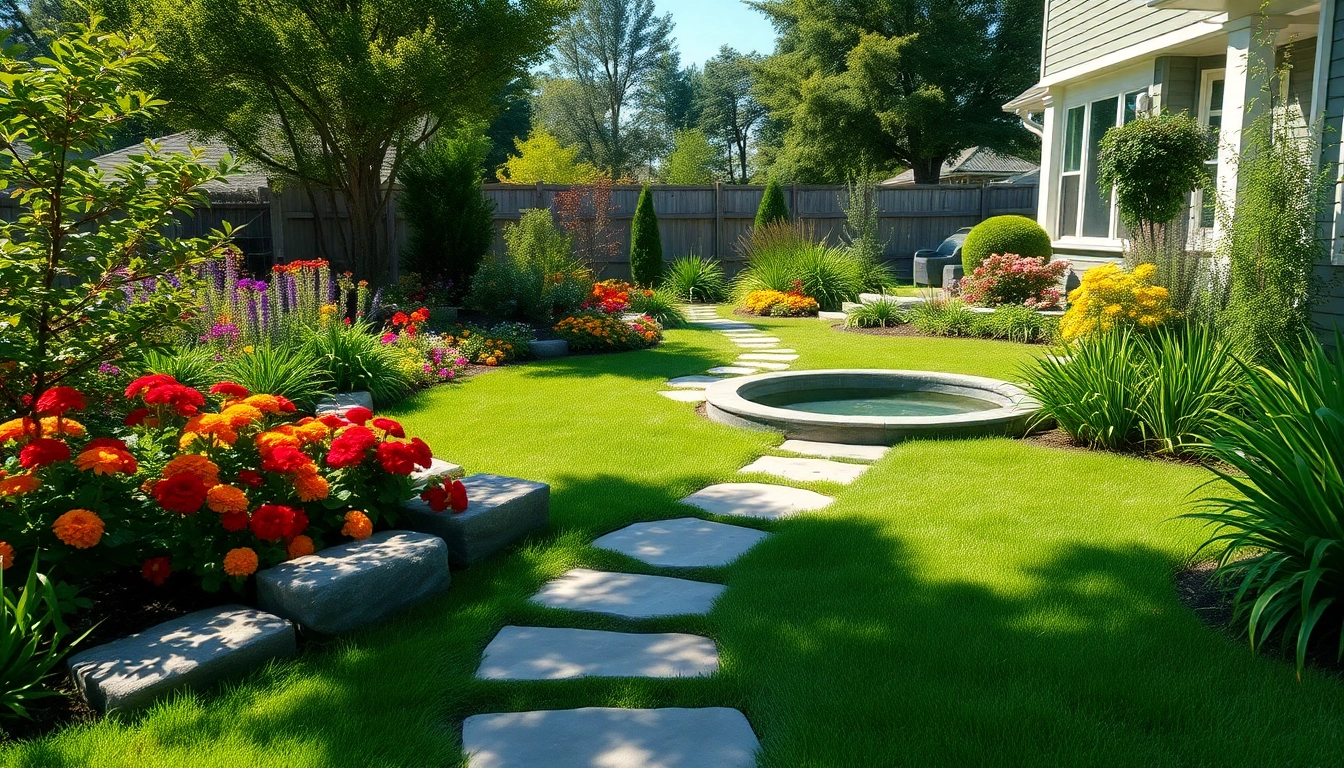
Understanding Backyard Landscaping Basics
Backyard landscaping is more than just planting a few flowers or laying down sod; it’s about creating an outdoor space that reflects your style while serving functional purposes. Whether you’re looking to enhance your property’s curb appeal, create a serene retreat, or provide a space for recreation, a well-thought-out landscape design will make your outdoor areas inviting and enjoyable. To start, defining your goals and understanding essential landscaping elements are crucial steps.
Defining Your Vision for Backyard Landscaping
Your vision for backyard landscaping serves as the foundation of your project. Start by assessing how you want to use the space. Do you envision an entertainment area for family gatherings, a peaceful garden to unwind, or perhaps a play zone for the kids? Consider lifestyle needs and what aesthetics appeal to you. Keeping in mind various themes such as cottage gardens, modern minimalism, or tropical designs will further refine your vision.
Essential Elements of Backyard Landscaping
Every great landscaping project includes several fundamental elements:
- Plantings: Selection of flowers, shrubs, and trees that suit your climate is crucial. Incorporate a mix for year-round interest.
- Hardscaping: Features like patios, pathways, and retaining walls add structure and functionality to your outdoor space.
- Water Features: Fountains, ponds, or waterfalls can enhance the tranquility of your backyard.
- Lighting: Outdoor lighting not only extends usability into the evening but also enhances aesthetics and safety.
Benefits of Professional vs. DIY Backyard Landscaping
Choosing between a professional landscaper or embarking on a DIY project is often a dilemma. Professional landscapers bring expertise, access to high-quality materials, and the ability to visualize complex designs. They can help avoid costly mistakes and ensure proper plant choices and layout. On the other hand, DIY landscaping can offer rewarding experiences and savings. However, it requires significant time investment and a better understanding of plants and landscaping techniques. Balancing quality and personal commitment will help you make the best choice.
Planning Your Backyard Landscaping Project
Effective planning is vital to implementing your backyard landscaping vision. This stage involves multiple considerations, including layout, plant selection, budget, and timelines.
Key Considerations for Backyard Landscaping Design
Before putting shovel to soil, consider these questions:
- Space Utilization: How much space do you have, and how will it be divided among different features such as lawns, gardens, and recreational areas?
- Sunlight and Shade: Identify areas of your yard that receive varying degrees of sunlight to select suitable plants.
- Drainage: Ensure your design allows for proper water drainage to prevent soil erosion and flooding.
- Regulations: Check local ordinances regarding landscaping and installation of features like fences or pools.
Choosing the Right Plants for Your Backyard Landscaping
When selecting plants, consider those that thrive in your climate and soil conditions. Native species often require less maintenance and water. Additionally, plan for seasonal variation by incorporating perennials, annuals, and evergreens. Mixing textures, colors, and heights will create visual interest and enhance the overall design.
Budgeting Your Backyard Landscaping Efforts
Creating a budget is essential to keep your landscaping project on track. Begin by estimating costs for materials, plants, labor (if applicable), and any additional features. Always include contingency funds for unexpected expenses. A well-thought-out budget will help guide purchasing decisions and prevent financial stress.
Implementing Sustainable Backyard Landscaping Techniques
Today, sustainable landscaping practices are more important than ever. Implementing eco-friendly techniques in your backyard landscaping can enhance the environment while reducing long-term maintenance costs.
Low-Maintenance Solutions for Backyard Landscaping
Low-maintenance landscaping focuses on reducing care time while maintaining beauty. Consider planting native plants, selecting drought-tolerant species, and using ground covers instead of traditional lawns. Incorporating mulch can reduce weed growth and retain moisture, further minimizing upkeep.
Water Conservation in Backyard Landscaping
Water conservation can be achieved through using drip irrigation systems, rain barrels for collecting runoff, and xeriscaping principles that promote drought-tolerant plants. Designing your garden to minimize grass areas can significantly reduce water usage, benefiting both your wallet and the environment.
Eco-Friendly Materials for Backyard Landscaping
When selecting materials, choose sustainable options such as reclaimed wood for decks and fences, or permeable pavers for patios. Organic compost can enhance soil fertility while reducing chemical fertilizer usage. Selecting local materials can also lessen the carbon footprint associated with transportation.
Aesthetic Enhancements in Backyard Landscaping
Enhancing the beauty of your backyard requires thoughtful integration of visual elements. Use color, texture, and structure to create a breathtaking outdoor space.
Incorporating Hardscaping in Backyard Landscaping
Hardscaping refers to non-plant elements of landscaping such as pathways, patios, and walls. These features add structure and define spaces, while also enhancing the overall aesthetic. Utilize materials that complement the home’s architecture to create a cohesive look.
Lighting Ideas to Elevate Backyard Landscaping
Landscape lighting can dramatically change the mood of your backyard, providing both beauty and safety. Incorporate soft lighting along pathways, spotlights to highlight trees or features, and ambient lighting in seating areas to create a welcoming atmosphere. Solar lights are energy-efficient and easy to install.
Seasonal Adjustments for Backyard Landscaping
Adjusting your landscape with the changing seasons ensures continuous appeal. Use seasonal flower displays or rotate annuals to keep color in your garden year-round. Preparing your landscape for winter by covering sensitive plants and cleaning debris from gardens can protect your investment.
Common Mistakes to Avoid in Backyard Landscaping
Even seasoned landscapers can make errors that derail their efforts. Learning about potential pitfalls will help ensure the success of your backyard landscaping project.
Overlooking Plant Height and Growth in Backyard Landscaping
Choosing plants without considering their mature size can result in overcrowding and frustration. Research the growth patterns and heights of your selected species to ensure they fit harmoniously within the planned layout.
Ignoring Soil Quality in Backyard Landscaping
Soil quality is the foundation of healthy plant life. Perform a soil test to evaluate pH and nutrient levels. Amending the soil with organic matter and nutrients will create an optimal growing environment for your plants.
Neglecting Maintenance Needs in Backyard Landscaping
Designing without considering maintenance is a common mistake leading to future challenges. Understand the upkeep requirements of plants and features in your design. Create a maintenance schedule that includes everything from watering to pruning.
FAQs
What is the cheapest way to landscape a backyard?
Consider using mulch, planting native trees, creating flower beds, and adding DIY water features to improve aesthetics without overspending.
How do I choose plants for backyard landscaping?
Evaluate your climate, soil type, and sunlight availability. Select plants that thrive in your area and provide diversity for year-round interest.
What are common mistakes in backyard landscaping?
Some mistakes include improper plant spacing, neglecting to account for maintenance, and unsuitable materials for your climate or soil conditions.
How can I create a low-maintenance backyard?
Opt for plants native to your region and incorporate hardscaping elements. These choices significantly reduce upkeep while creating beauty.
What trends should I follow for backyard landscaping?
Trends such as low-input landscaping, biophilic design, and natural materials can create a modern and sustainable backyard aesthetic.