

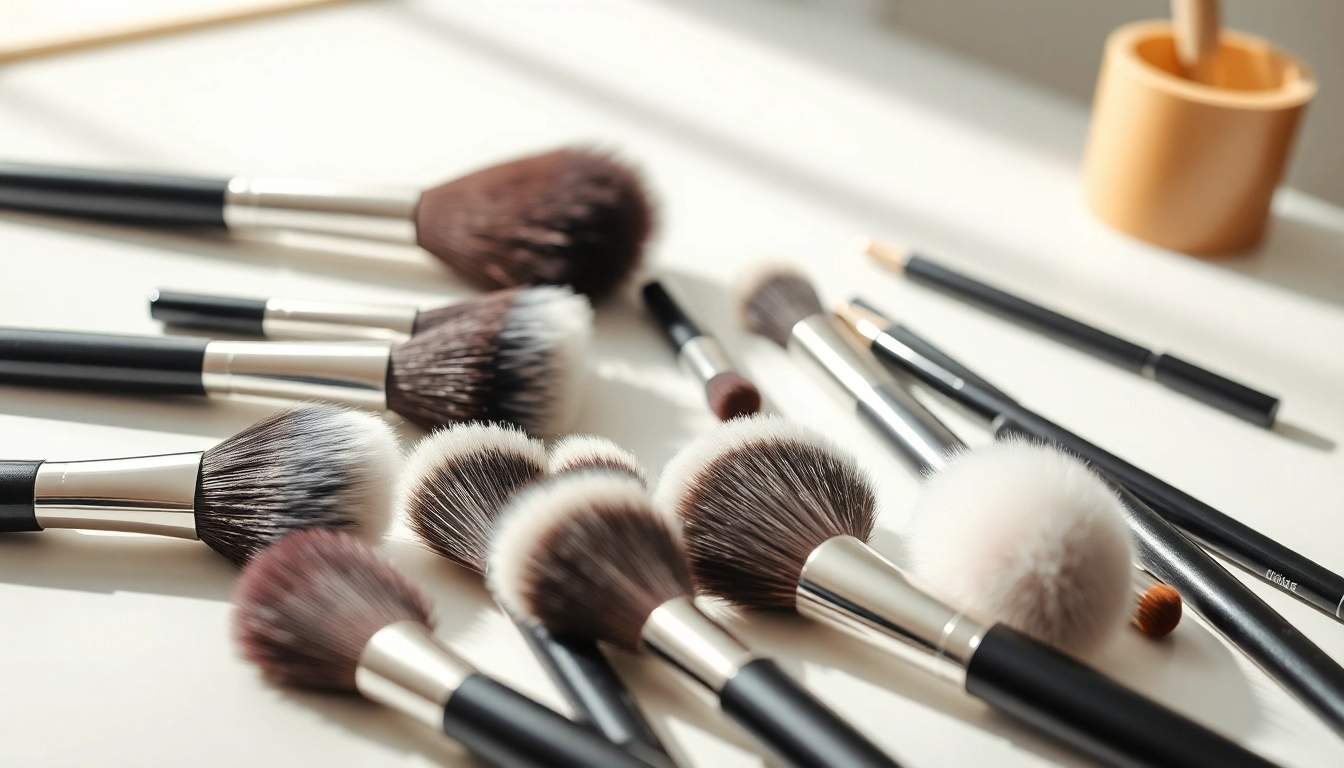
The Importance of a Dense Makeup Brush
When it comes to achieving flawless makeup application, the tools you use are just as important as the products themselves. One critical tool in every makeup lover’s kit is a dense makeup brush. This article delves into the significance of dense makeup brushes, their various applications, and tips for selecting and using them effectively.
Why Choose a Dense Makeup Brush?
Dense makeup brushes are specifically designed to hold a substantial amount of product while ensuring better coverage. Their tightly packed bristles facilitate even distribution, enabling you to achieve a smooth finish without streaks or patchiness. Unlike their fluffier counterparts, dense brushes excel in depositing product where needed. Whether you’re applying foundation, contour, or highlighter, a dense brush ensures that the makeup adheres flawlessly to the skin.
Key Uses for Dense Makeup Brushes
A dense makeup brush is versatile enough to cover various makeup applications:
- Foundation Application: A dense brush is ideal for both liquid and cream foundations. It blends effortlessly, leaving you with a natural-looking base.
- Contouring: Use a dense brush for contour products to create shadows on your face, effectively sculpting your features.
- Blush and Bronzer: Apply blush or bronzer for a more pigmented finish that enhances your complexion.
- Setting Powder: A dense brush can pack on setting powder, allowing for a long-lasting, matte finish.
Understanding Brush Density and Quality
Brush density refers to how closely packed the bristles are. Denser brushes usually have shorter bristles that taper slightly, whereas fluffier brushes have longer, more spread-out bristles. Quality is paramount; opt for brushes made from synthetic materials for liquid products and natural bristles for powder products. The right balance of density and quality ensures not only better application but also longevity of the brush over time.
How to Select the Right Dense Makeup Brush
Selecting the appropriate dense makeup brush requires consideration of personal makeup needs, material quality, and trusted brands. Here’s a closer look at each factor.
Identifying Your Makeup Needs
Before choosing a dense makeup brush, assess your makeup habits. Do you predominantly use liquid, cream, or powder products? Determine the primary makeup tasks you require help with—foundation application, blending, or precision work—and choose a brush tailored to these specific applications. For instance, flatter, densely packed brushes work well for foundation, while angled brushes excel at contouring.
Materials and Construction Comparisons
Brush materials significantly affect performance. Synthetic brushes are ideal for creamy and liquid products, enabling easy cleanup while providing a seamless finish. Natural bristles, on the other hand, offer excellent pickup for powders and can impart a softer appearance on the skin. The handle should offer a good grip and be made from sturdy material to withstand regular use.
Brands to Consider for Quality
While browsing for dense makeup brushes, prioritize brands known for their quality. Look for reviews that highlight user experiences and recommendations. Ensuring that the brush is both durable and effective will yield better results in the long run. Brushes that come with warranties or guarantees can also indicate a manufacturer’s confidence in their product quality.
Techniques for Using a Dense Makeup Brush
Once you’ve selected your dense makeup brush, mastering techniques for optimal use will enhance your makeup application significantly. Below are actionable techniques you can easily implement.
Application Techniques for Liquid Foundation
For liquid foundation, start by dispensing a small amount onto your palette or directly on the back of your hand. Using the dense brush, dip into the foundation and apply it in short, circular motions. Start from the center of your face and work outward, ensuring even application without dragging the skin. Setting the brush at a slight angle can help the bristles reach into the curves of your face, like around the nose.
Buffing and Blending with Ease
After the initial application, utilize the dense brush for buffing. With gentle, circular motions, blend the foundation seamlessly into your skin. Dense brushes are excellent at minimizing harsh lines and achieving a natural finish. For cream products like blush or contour, use short strokes to avoid disrupting the foundation underneath.
Cleaning and Maintenance Tips
Maintaining your dense makeup brush is vital for performance and hygiene. Clean your brushes regularly—preferably after every use with a gentle soap or brush cleaner. Deep clean them weekly using lukewarm water and a suitable brush-cleaning solution, ensuring not to soak the handle. Reshape the bristles and allow them to dry flat to retain their original shape.
Common Mistakes to Avoid
Even experienced makeup users can stumble into common pitfalls when using a dense makeup brush. Here are a few mistakes to watch out for:
Overusing Product
A common error is applying too much product on the brush. This can lead to a heavy, cakey finish. Start with a small amount and build as necessary. A dense brush effectively distributes product, so less is often more.
Neglecting Brush Care
Failing to clean your brushes regularly can not only wear them down but also lead to bacteria buildup. This can cause skin irritation or breakouts. Make it a point to integrate brush cleaning into your beauty routine.
Using Incorrect Techniques
Improper application techniques can counteract the benefits of the brush. Avoid dragging the brush across your skin; instead, use a stippling or buffing method to ensure even distribution without irritation.
Frequently Asked Questions About Dense Makeup Brushes
What is the benefit of using a dense makeup brush?
A dense makeup brush provides better product pickup, allowing for seamless blending and coverage on the skin, ultimately leading to a smoother finish.
Can a dense makeup brush be used for all types of makeup?
Yes, dense makeup brushes are versatile and can effectively handle liquid, cream, and powder products, making them essential for various applications.
How often should I clean my dense makeup brush?
Ideally, clean your dense makeup brush every 1-2 weeks to maintain hygiene and ensure optimal performance during applications.
Will a dense brush irritate sensitive skin?
Not necessarily; opt for brushes with soft bristles specifically designed for sensitive skin to minimize any potential irritation.
How do I choose the right dense brush size?
Select brush sizes based on the areas you are targeting; larger brushes work well for foundation, while smaller ones cater to precision applications like concealer.