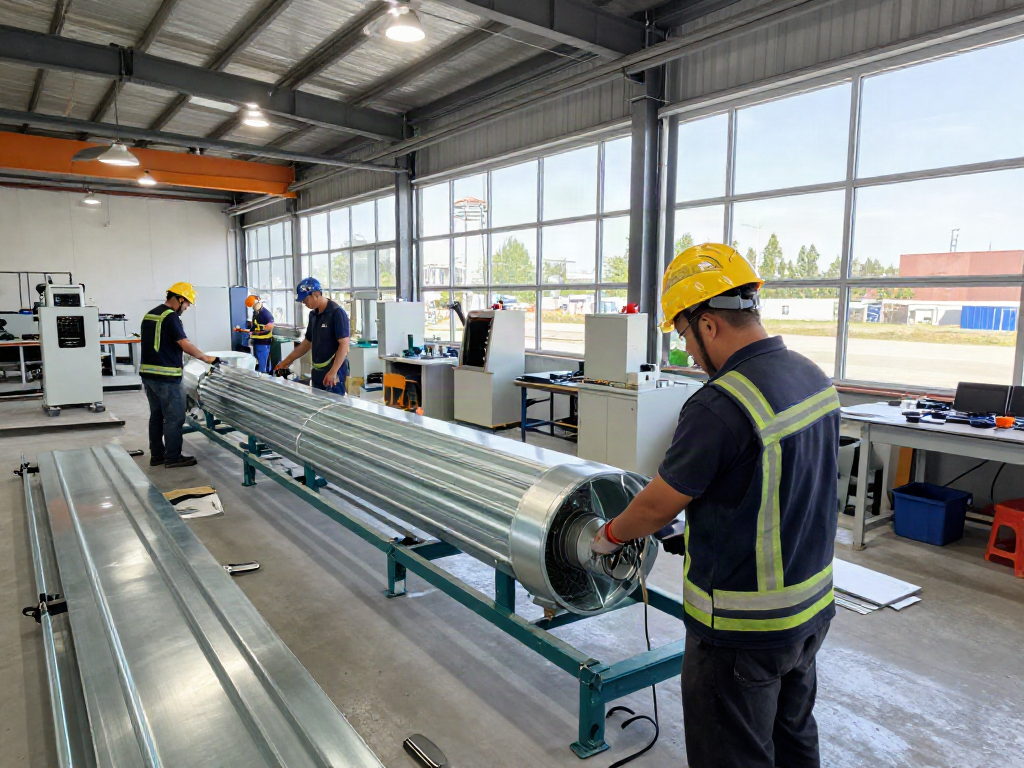
Introduction to Fluid Power Systems
Fluid power systems are integral to a wide array of industrial processes, utilizing the power of fluids to perform work efficiently and effectively. These systems have revolutionized how machines operate across various industries, from manufacturing to construction. Understanding the fundamentals of fluid power systems is crucial for engineers, technicians, and industry professionals alike. In this article, we will delve into the definition, components, applications, maintenance practices, and future trends of fluid power systems, ensuring a comprehensive understanding of their significance in modern technology. For more detailed insights into fluid power systems, keep reading!
What are Fluid Power Systems?
Fluid power systems utilize pressurized fluids—liquids or gases—to transmit and control power. At their core, these systems consist of various components that work together to convert energy stored in the fluid into mechanical energy. This energy can then be used to perform tasks such as lifting, pushing, or moving equipment and materials. Examples of fluid power systems include hydraulic systems, which rely on liquids, and pneumatic systems, which use compressed gases.
Importance in Industry
The significance of fluid power systems in industry cannot be overstated. These systems provide a reliable, efficient, and scalable means of power transmission. Their ability to generate high levels of force while maintaining compact sizes makes them indispensable in sectors like aerospace, automotive, manufacturing, and mobile equipment industries. Moreover, fluid power systems are adept at providing smooth and controlled motion, which is paramount for precision applications.
Basic Principles of Operation
The operation of fluid power systems is based on fundamental principles of hydraulics and pneumatics. When a force is applied to a fluid within a confined space, the fluid transmits that force equally in all directions, allowing for the multiplication of force. This principle not only allows for significant power output but also enables the creation of complex motion patterns with relative ease. Understanding these principles is essential for troubleshooting and optimizing fluid power systems.
Core Components of Fluid Power Systems
Every fluid power system comprises several essential components that ensure the effective transfer and control of energy. Knowing these components and their functions is crucial for anyone involved in designing, maintaining, or operating fluid power systems.
Pumps: Types and Functions
Pumps are the heart of fluid power systems. They are responsible for converting mechanical energy into hydraulic energy by moving fluid through the system. There are several types of pumps, each designed for specific applications:
- Gear Pumps: These are simple and reliable, used mainly for low-viscosity fluids.
- Vane Pumps: Known for their quiet operation, vane pumps provide a steady flow of fluid.
- Piston Pumps: These can handle high-pressure applications and are ideal for hydraulic systems.
Each type of pump operates on a unique principle, affecting its performance characteristics, efficiency, and suitability for various applications.
Valves: Control Mechanisms Explained
Valves play a critical role in the control and direction of fluid flow within a power system. They ensure that systems operate smoothly and can be transitioned quickly between different modes of operation. Common valve types include:
- Directional Control Valves: These control the path that the fluid will take through the system.
- Flow Control Valves: These regulate the speed of the actuators by controlling fluid flow rates.
- Pressure Relief Valves: Critical for system safety, these valves prevent over-pressurization, protecting equipment and operators.
Understanding the various valve mechanisms and their applications is vital for maintaining system integrity and performance.
Actuators: How They Work
Actuators are the components that perform the physical work in fluid power systems. They convert hydraulic or pneumatic energy back into mechanical energy, enabling motion in machinery and equipment. Types of actuators include:
- Hydraulic Cylinders: Commonly used in applications requiring linear motion, hydraulic cylinders provide great force in a compact design.
- Pneumatic Cylinders: Known for their lightweight and quick response times, pneumatic cylinders are often used in automation.
- Hydraulic Motors: These transform hydraulic energy into rotary motion, crucial for driving conveyors and similar machinery.
Each actuator type is designed for specific applications, and choosing the right actuator is key to achieving the desired performance in fluid power systems.
Applications of Fluid Power Systems
The versatility of fluid power systems allows them to be employed in a wide range of industries and applications. Their capacity for providing high force, precision, and dynamic motion makes them invaluable in several fields.
Industries Leveraging Fluid Power
Numerous industries have leveraged the advantages of fluid power systems, including:
- Manufacturing: Fluid power systems are critical in assembly lines for tasks such as lifting, pressing, or guiding products.
- Construction: Heavy machinery, including excavators and bulldozers, utilize hydraulic systems for enhanced power and control.
- Aerospace: Fluid power systems are essential for flight control and landing gear operations in aircraft.
- Automotive: Hydraulic systems in automotive applications enhance braking, steering, and suspension functionalities.
This broad range of applications highlights the relevance of fluid power systems in driving innovation and efficiency across different sectors.
Case Studies of Successful Implementations
Examining case studies offers insights into the successful application of fluid power systems. For instance, in the automotive industry, a major manufacturer revamped its assembly line using hydraulic lifts that allow for dynamic positioning of heavy parts. This change reduced assembly time by 30% and significantly improved operator safety. Such case studies serve to demonstrate the practical benefits and efficiencies gained through the implementation of fluid power technologies.
Comparative Analysis of Electrical vs Hydraulic Systems
When it comes to power transmission, both electrical and hydraulic systems have their pros and cons. While electrical systems offer simplicity and ease of control, hydraulic systems provide greater force and efficiency, especially in high-load applications. Considerations such as system complexity, maintenance, energy consumption, and environmental impact can influence the choice between the two. Ultimately, selecting the appropriate system depends on specific application requirements and operational goals.
Maintaining Fluid Power Systems
Ensuring fluid power systems operate at peak performance necessitates regular maintenance practices. Understanding these practices can prevent costly downtimes and extend system longevity.
Regular Maintenance Practices
Regular maintenance is crucial for the reliability and effectiveness of fluid power systems. Key practices include:
- Fluid Level Checks: Regularly monitor and maintain fluid levels to prevent air intrusion and loss of hydraulic efficiency.
- Filter Replacement: Change filters based on service intervals, as clogged filters can lead to system failures.
- Seal Inspection: Periodically inspect seals for wear or damage to prevent leaks that can compromise system performance.
Implementing these maintenance practices can significantly enhance system reliability and efficiency.
Common Issues and Their Solutions
Fluid power systems can experience various issues, ranging from leaks to performance inefficiencies. Some common problems and their solutions include:
- Leakage: Inspect and replace faulty hoses and fittings to address leaks promptly.
- Noise Issues: Investigate abnormal noises by checking for cavitation or loose components.
- Poor Performance: Ensure fluid quality and viscosity are within specified limits, as wrong fluid can affect system efficiency.
By addressing these common challenges proactively, operators can maintain optimal system performance and reduce downtime.
Performance Metrics to Consider
To effectively manage and optimize fluid power systems, it is vital to track specific performance metrics, such as:
- System Efficiency: Assess the ratio of output power to input power to determine system efficiency.
- Response Time: Measure the time taken for the system to initiate action after receiving a command.
- Pressure Levels: Monitor operational pressures to ensure they remain within safe operational limits.
By understanding these performance metrics, operators can make informed decisions to enhance system performance and reliability.
Future Trends in Fluid Power Technology
The field of fluid power is continually evolving, driven by technological advancements and changing industry demands. Keeping abreast of emerging trends is imperative for professionals working with fluid power systems.
Innovations to Watch in Fluid Power Systems
Innovations in fluid power technology are aimed at enhancing efficiency, reducing environmental impact, and integrating smart technologies. Some notable trends include:
- Advanced Control Systems: The use of digital sensors and controls to improve fluid power system responsiveness.
- Energy Recovery Systems: Technologies designed to capture and reuse energy within hydraulic systems, enhancing efficiency.
- Improved Fluid Technologies: Research advancements focused on developing bio-degradable and environmentally-friendly hydraulic fluids.
Staying informed about these innovations can help industries optimize their fluid power systems and prepare for future demands.
The Role of Automation and IoT
The integration of automation and the Internet of Things (IoT) is rapidly transforming fluid power systems. Smart sensors and devices enable real-time monitoring and control of system performance, leading to predictive maintenance and reduced downtime. These advancements not only enhance operational efficiency but also contribute to sustainability efforts through better resource management.
Environmental Considerations and Sustainability Efforts
With growing awareness of environmental impacts, fluid power industries are prioritizing sustainability initiatives. Efforts include developing low-impact fluids, enhancing energy efficiency, and implementing recycling programs for hydraulic components. Such initiatives not only comply with regulations but also appeal to environmentally-conscious consumers and industries.
FAQs about Fluid Power Systems
What are fluid power systems used for?
Fluid power systems are used to transmit power through fluids, enabling operations in industries such as manufacturing, construction, and automotive, allowing for tasks like lifting and pushing with precision.
How do hydraulic and pneumatic systems differ?
Hydraulic systems use liquid under pressure, while pneumatic systems utilize compressed air. Hydraulics are favored for high force applications, whereas pneumatics excel in lighter and faster operations.
What are common maintenance tasks for fluid power systems?
Common maintenance tasks include checking fluid levels, replacing filters, inspecting seals, and monitoring for leaks, ensuring optimal performance and longevity of the systems.
What factors influence the choice between hydraulic and electrical systems?
Factors include the required force, application speed, available space, energy consumption, system complexity, and environmental considerations, aiding in selecting the most suitable power transmission method.
What is the future of fluid power technology?
The future involves innovations such as advanced automation, smart controls, energy recovery systems, and sustainable practices, driving efficiency and minimizing environmental impact in fluid power applications.
Contact Information
Call Us: 780.452.2876Email: [email protected]Address: 13111 159 Street Edmonton, AB T5V 1H6