

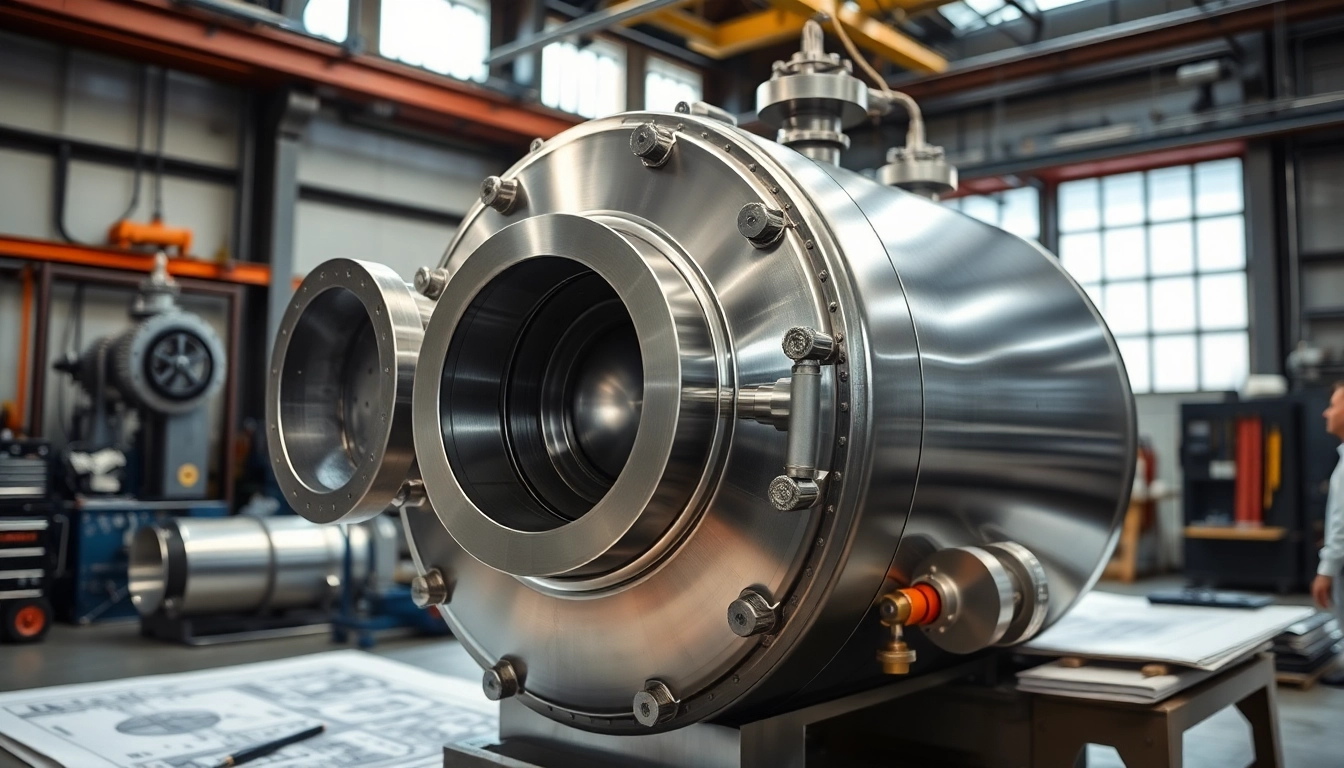
Understanding Pressure Vessel Design
What Is Pressure Vessel Design?
Pressure vessel design is a systematic approach to creating containers that hold gases or liquids at a pressure substantially different from the ambient pressure. These vessels must be constructed to endure the stresses imposed by internal and external forces while ensuring safety and compliance with industry regulations. A well-designed pressure vessel can be cylindrical, spherical, or take various shapes, relying on principles of engineering and materials science. Integral to this design process is ensuring that each vessel meets specific operational requirements, intended use, and safety standards. Various industries, from oil and gas to chemical production, rely on effective Pressure Vessel Design to prevent failures that could result in catastrophic events.
Importance of Pressure Vessel Design
The significance of pressure vessel design extends beyond mere functionality; it encompasses safety, compliance, and efficiency. A well-executed design minimizes the risk of vessel rupture or leaks, which can have devastating consequences, including injury, environmental harm, and economic losses. In addition, complying with industry standards such as the ASME Boiler and Pressure Vessel Code helps streamline maintenance procedures, enhances reliability, and ensures even complex systems perform optimally. As industries evolve and technology advances, the role of innovative design practices becomes even more critical in driving operational success and reducing the total cost of ownership for pressure vessels.
Common Types of Pressure Vessels
Pressure vessels come in various shapes and sizes to suit different applications. The most prevalent types include:
- Cylindrical Vessels: These are the most common design, ideal for storing fluids under pressure and often fitted with either hemispherical or flat end caps.
- Spherical Vessels: These are the most efficient in withstanding internal pressures due to their geometric design, used in applications such as gas storage.
- Horizontal Vessels: Frequently seen in oil and gas industries, these provide easy access and maintenance while adhering to space constraints.
- Vertical Vessels: These designs optimize land usage and are common in chemical and petrochemical processes.
Key Design Considerations for Pressure Vessels
Material Selection and Properties
Choosing the correct material for pressure vessels is paramount. Factors influencing material selection include:
- Mechanical Properties: Materials must exhibit high tensile strength and durability to withstand operational pressures.
- Corrosion Resistance: The potential for corrosive environments necessitates materials that resist degradation over time.
- Temperature Tolerance: Vessels must operate effectively under their expected temperature ranges without compromising structural integrity.
- Cost-effectiveness: Material selection also involves balancing performance with cost, making budget considerations crucial.
Safety Factors in Design
In pressure vessel design, safety factors are essential. They account for uncertainties in material properties, loads applied during operation, and potential environmental impacts. A common safety factor is the ratio of the ultimate tensile strength of materials to the maximum working stress imposed on them. This safety buffer helps mitigate the risk of failure and is typically outlined in regulatory standards. The implementation of such safety measures not only protects personnel and the environment but also enhances the system’s overall reliability.
Compliance with Industry Standards
Compliance with international standards such as the ASME Boiler and Pressure Vessel Code (BPVC) is crucial for any pressure vessel design. These codes stipulate the design, manufacturing, testing, and inspection procedures to ensure optimal safety and functionality. Following these guidelines facilitates consistent quality in pressure vessel construction, promotes safer operational environments, and aids in preserving public trust in engineering practices. Regular updates to these codes mean designers must remain vigilant in keeping up with the latest requirements.
The Pressure Vessel Design Process
Initial Planning and Requirements
The pressure vessel design process begins with comprehensive planning, which involves assessing user requirements, operational conditions, and any existing regulatory standards. Effective communication with stakeholders is pivotal during this phase to ensure that all needs are captured. Once the requirements have been defined, engineers can initiate sketches and preliminary designs that will form the groundwork for eventual structural calculations and full-scale drawings.
Utilizing Design Software
In modern engineering practices, software plays a vital role in pressure vessel design. Programs such as CAD (Computer-Aided Design) and CAE (Computer-Aided Engineering) offer powerful tools for simulation, modeling, and analysis. These technologies enable designers to visualize their concepts, perform stress testing, and validate designs against compliance codes before physical construction begins. Software assists in forecasting potential design flaws, therefore significantly reducing costs associated with revising completed projects.
Prototyping and Testing
Once a design is established, the next logical step is to create a prototype. Prototyping provides an invaluable opportunity to validate assumptions made during the design phase. Testing protocols typically involve subjecting the prototype to operational conditions, examining factors such as pressure, temperature, and material performance. Results from this testing phase inform any necessary design adjustments and ensure final products meet safety and performance benchmarks before full-scale production begins.
Challenges in Pressure Vessel Design
Regulatory Compliance Issues
Keeping abreast of regulatory changes can pose challenges for designers. Non-compliance with industry standards can lead to costly legal repercussions and production delays. Establishing a robust compliance framework at the start of the design process ensures adherence to current regulations. Moreover, continuous education and training in relevant legislation foster a culture of safety and responsibility among engineering teams.
Material Limitations and Corrosion
Materials chosen for pressure vessels must resist various forms of degradation, such as corrosion and fatigue. Over time, these factors can compromise vessel integrity, leading to failures. Implementing advanced coatings or selecting superior materials with better corrosion resistance can mitigate such risks. Regular inspections and testing can also help identify potential concerns well ahead of time, thus preventing catastrophic incidents.
Cost Management Strategies
Managing costs without compromising safety or quality demands strategic planning across all stages of pressure vessel design. One effective approach involves analyzing lifecycle costs, which take into account not only initial manufacturing expenses but also ongoing maintenance and operational costs. Encouraging collaboration among engineers, procurement, and financial teams ensures that budgetary constraints are satisfied, promoting efficiency and optimal value.
FAQs on Pressure Vessel Design
What materials are commonly used in pressure vessel construction?
Common materials include carbon steel, stainless steel, and alloy steels, chosen for their strength, durability, and resistance to corrosion under various operating conditions.
How does ASME affect pressure vessel design?
The ASME codes provide essential guidelines that dictate the design, construction, and testing of pressure vessels, ensuring safety and compliance in engineering practices.
What are typical design shapes for pressure vessels?
Typical shapes include cylindrical, spherical, and conical designs, each selected based on operational requirements and fluid dynamics considerations.
How often should pressure vessels be inspected?
Pressure vessels should be inspected regularly based on operational guidelines and regulatory standards, often every two to five years, to ensure their integrity and safety.
Which software is best for pressure vessel design?
Widely used software includes AutoCAD for drawing, SolidWorks for 3D modeling, and ANSYS for finite element analysis, which helps in assessing mechanical integrity.