

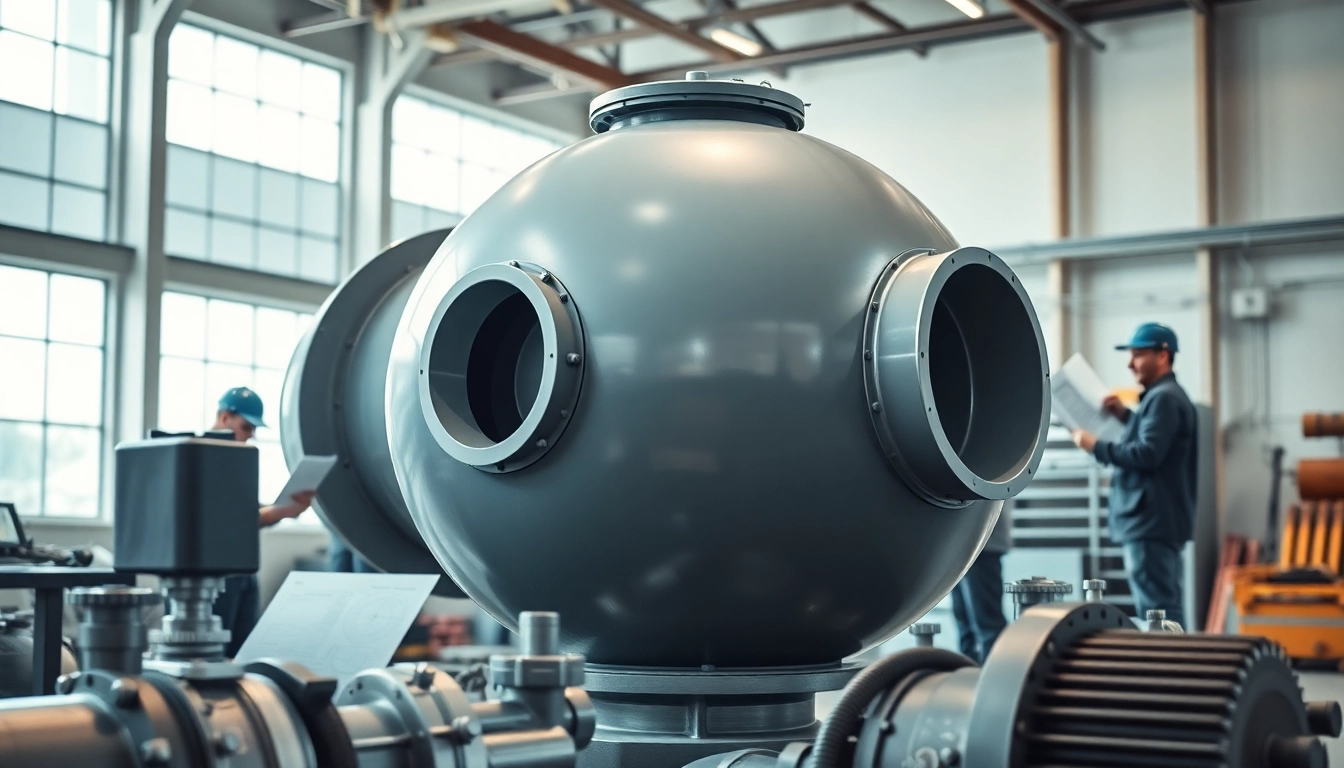
Understanding the Fundamentals of Pressure Vessel Design
Pressure vessel design is a critical aspect of engineering that involves creating containers to safely hold gases or liquids under pressure. The importance of effective design cannot be overstated, especially in industries such as oil and gas, chemical processing, and power generation. Utilizing the best practices in Pressure Vessel Design ensures safety, compliance, and operational efficiency throughout the lifecycle of these vessels.
What is Pressure Vessel Design?
A pressure vessel is defined as a closed container designed to hold gases or liquids at a pressure substantially different from the ambient pressure. The primary goal of pressure vessel design is to ensure the vessel can withstand these sizeable internal or external pressure without failing. Various factors such as maximum permissible pressure, material properties, and thermal effects must be considered during the design process.
Common Shapes and Configurations
Pressure vessels can be fabricated in numerous shapes, with the most common being cylindrical, spherical, and conical. Each design serves specific operational needs and advantages:
- Cylindrical: Often used for tanks and pipelines due to their efficient stress distribution.
- Spherical: Provides maximum strength and the least surface area, making it ideal for high-pressure applications.
- Conical: Useful in applications needing a drop in pressure or to assist in fluid movement.
Key Design Standards and Codes
Pressure vessels are subject to stringent safety regulations, with various standards in place to guide their design and construction. The American Society of Mechanical Engineers (ASME) sets widely recognized guidelines, such as the ASME Boiler and Pressure Vessel Code (BPVC), which outline minimum requirements for the material and design of pressure vessels to ensure safety and reliability. Compliance with these codes is crucial in avoiding catastrophic failures.
Materials Used in Pressure Vessel Design
Types of Materials and Their Properties
The selection of materials is vital in pressure vessel design, as they must withstand harsh conditions, including high pressures and varying temperatures. Commonly used materials include:
- Carbon Steel: Offers good strength and ductility, typically used for moderate-pressure applications.
- Stainless Steel: Provides excellent corrosion resistance, making it suitable for harsh media.
- Alloys: Including nickel-based and titanium, are used for specialized applications due to their enhanced strength and corrosion properties.
Factors Influencing Material Selection
Several critical factors influence the selection of materials for pressure vessels, including:
- Operating Environment: Corrosive or high-temperature environments necessitate specialized materials.
- Cost: Budget constraints may limit material options without compromising safety.
- Weight: Lightweight materials may be required in applications where handling and transport matter.
Corrosion Considerations in Design
Corrosion is a serious consideration in pressure vessel design. Engineers must account for corrosion rates in material selection and design, as well as implementing protective measures such as coatings and cathodic protection. Regular maintenance and inspections are also critical for early detection and mitigation of corrosion issues.
The Pressure Vessel Design Process
Initial Design Considerations
The design process begins with an understanding of the vessel’s intended application, which influences its shape, size, and materials. Engineers must consider the fluid’s properties, operating pressures, temperatures, and any external loads during this phase.
Calculating the Design Pressure and Temperature
Accurate calculations of design pressure and temperature are essential. The design pressure often exceeds the maximum expected operating pressure to accommodate pressure spikes and to provide a safety margin. Similarly, the design temperature must account for operational conditions and any possible temperature variations over the vessel’s life.
Safety Factors in Pressure Vessel Design
Incorporating safety factors into design calculations is crucial to account for uncertainties in material properties, loading conditions, and potential defects. Commonly, a safety factor of 1.5 to 2.0 is applied depending on the material and application requirements, ensuring that the vessel can handle unforeseen conditions.
Testing and Compliance for Pressure Vessel Design
Inspection Techniques and Standards
Once a pressure vessel is constructed, it must undergo rigorous inspections and testing to confirm its integrity. Non-destructive testing (NDT) methods, including ultrasonic testing, radiographic testing, and magnetic particle testing, are standard practices to identify any flaws without causing damage.
Common Failure Modes and Mitigation
Common failure modes, such as fatigue, corrosion, and overpressure, can lead to catastrophic events. Each failure mode necessitates specific mitigation strategies, including design revisions, better materials, and improved maintenance practices. Understanding and addressing these risks during the design phase is critical for enhancing vessel safety.
Documenting Compliance and Certification
After testing and inspection, documentation confirming compliance with applicable standards is essential. Certification by recognized organizations ensures that the pressure vessel meets industry standards, providing added assurance for operators regarding safety and reliability.
Future Trends in Pressure Vessel Design
Innovative Technologies Shaping the Industry
The future of pressure vessel design is being shaped by advancements in materials science and engineering technologies. Innovations such as additive manufacturing are allowing for more complex designs with optimized performance characteristics, while smart sensors enable real-time monitoring of vessel conditions, enhancing safety and reducing maintenance costs.
Software for Pressure Vessel Design
Software tools specialized for pressure vessel design provide engineers with powerful capabilities to perform complex calculations and simulations. Applications such as CademPVD facilitate compliance with design codes while improving the efficiency of the design process, resulting in safer and more reliable products.
Environmental Impacts and Sustainability Initiatives
There is a growing emphasis on designing pressure vessels with sustainability in mind. This includes selecting eco-friendly materials, implementing energy-efficient designs, and minimizing waste during manufacturing processes. Sustainability initiatives also address the lifecycle impact of pressure vessels, from production through eventual decommissioning and recycling.
Frequently Asked Questions
What is a pressure vessel design?
A pressure vessel design involves creating safe containers that can hold gases or liquids at high pressures. This includes understanding material properties, structural integrity, and adherence to safety regulations.
What industries commonly use pressure vessels?
Common industries include oil and gas, chemical processing, pharmaceuticals, food and beverage, and power generation, where pressure vessels store or process materials under pressure.
How is the design pressure of a vessel determined?
Design pressure is determined through analyzing operational conditions, including expected maximum pressures, safety margins, and potential surges or fluctuations in fluids handled.
What testing methods are used for pressure vessels?
Common testing methods include non-destructive testing (NDT), hydrostatic tests, and pressure testing. These methods ensure the integrity of the pressure vessel and compliance with safety standards.
Are there software tools for pressure vessel design?
Yes, several software tools aid in pressure vessel design, allowing for precise calculations, simulations, and adherence to design codes, enhancing overall safety and efficiency.