

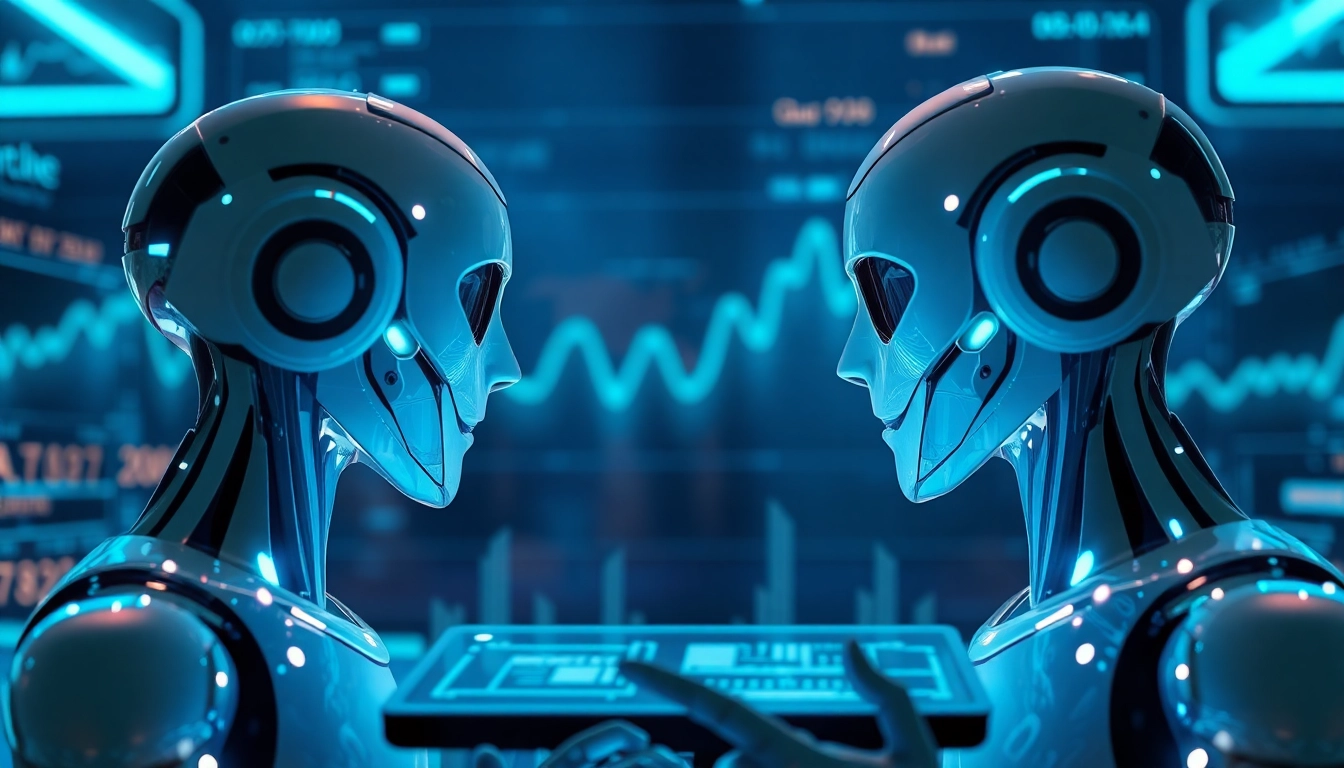
Understanding Ai Bots: Definition and Basics
In recent years, Ai Bots have surged in popularity, revolutionizing the way we interact with technology in our everyday lives. These software-based entities utilize artificial intelligence to simulate human conversation, providing an interactive experience for users across various platforms. This article aims to dive deep into the world of Ai Bots, exploring their definition, historical significance, applications, and much more, offering insight into how they have seamlessly integrated into our routines.
What are Ai Bots?
Ai Bots, or artificial intelligence bots, are automated software applications designed to carry out specified tasks with minimal human intervention. At their core, Ai Bots rely on natural language processing (NLP) and machine learning algorithms to understand user queries and respond accordingly. They are often programmed to perform a variety of functions, ranging from simple tasks such as scheduling appointments to complex responsibilities like providing customer support.
Historically Significant Ai Bots
The journey of Ai Bots began as early as the 1960s when Joseph Weizenbaum created ELIZA, one of the first natural language processing computer programs. ELIZA simulated conversations by using pattern matching and substitution techniques. Over time, advancements in technology led to the development of more sophisticated Ai Bots, including ALICE and SmarterChild, which paved the way for contemporary assistants like Siri, Alexa, and Google Assistant. The evolution of Ai Bots has been marked by continuous improvements in technology, allowing them to better understand context, manage complex interactions, and learn from user behavior.
Applications of Ai Bots in Daily Life
Today, Ai Bots are prevalent in diverse applications, enhancing user experiences across various sectors. They serve as personal assistants, facilitating tasks such as setting reminders, controlling smart home devices, and providing information on demand. In social media, Ai Bots assist brands by engaging with users, answering inquiries, and improving overall communication. From e-commerce platforms to healthcare, Ai Bots streamline operations, thereby increasing efficiency and satisfaction.
The Role of Ai Bots in Customer Service
With the rising expectations of consumers for immediate responses, Ai Bots have emerged as invaluable tools within customer service departments. Their ability to handle multiple inquiries simultaneously reduces wait times, providing users with quicker resolutions to their problems. In this section, we will explore how Ai Bots enhance customer service interactions, the benefits they offer, and real-world examples of their successful implementation.
Streamlining Customer Interactions
Ai Bots are capable of managing a high volume of customer inquiries without fatigue, offering round-the-clock assistance. By effectively analyzing customer data and recognizing patterns, these bots can direct users to the information they need, whether through FAQs or personalized responses. This results in faster interaction times and a smoother customer experience, as users are supplied with solutions to their issues without needing to wait for a human representative.
Benefits of Using Ai Bots for Businesses
Implementing Ai Bots brings numerous advantages to businesses. Firstly, they significantly reduce operational costs by minimizing the need for extensive customer service teams. Secondly, they enhance customer satisfaction rates through consistent availability and efficient problem resolution. Furthermore, Ai Bots facilitate the collection of valuable data, providing insights into customer preferences and behaviors, which can inform business strategies and improvements.
Real-World Examples of Ai Bots in Service
Several companies have successfully integrated Ai Bots into their customer service frameworks. For instance, global retailers have employed Ai Bots to manage online queries, helping customers navigate their websites and resolve order-related questions swiftly. Similarly, banking institutions use Ai Bots to help clients check account balances, transfer funds, and access critical information without needing to speak to a branch representative. These implementations highlight the versatility and effectiveness of Ai Bots in promoting operational efficiency.
Implementing Ai Bots in Marketing Strategies
Beyond customer service, Ai Bots play a pivotal role in marketing strategies as personalized tools that enhance user engagement. This section delves into how businesses can leverage Ai Bots to develop targeted marketing campaigns, optimize communication strategies, and measure their effectiveness.
Ai Bots as Personalized Marketing Tools
Ai Bots enable brands to tailor marketing efforts to the preferences and behaviors of their customers. By analyzing past interactions and purchasing patterns, Ai Bots can send personalized recommendations and promotional content, increasing the likelihood of conversions. This level of personalization fosters stronger connections between brands and their audience, ultimately boosting customer loyalty and retention rates.
Enhancing User Engagement with Ai Bots
The interactive nature of Ai Bots allows brands to engage users actively, making them a powerful resource for fostering community and dialogue. Social media platforms often employ Ai Bots to engage with users in real-time, addressing comments, responding to inquiries, and initiating conversations. This dynamic interaction keeps customers invested in the brand, encouraging ongoing engagement and interaction across multiple touchpoints.
Measuring Success with Ai Bots in Marketing
Tracking the performance of Ai Bots in marketing campaigns involves monitoring various metrics, such as engagement rates, conversion rates, and customer feedback. Utilizing analytics tools, businesses can assess the effectiveness of their Ai Bots in achieving marketing objectives. This data allows marketers to make informed decisions regarding content, adjust strategies, and optimize Ai Bot interactions to maximize their impact on user experience.
Challenges and Considerations with Ai Bots
However, the integration of Ai Bots is not without its challenges. Businesses must navigate potential pitfalls and ensure that the implementation process is smooth and effective. This section will explore common issues faced by businesses when deploying Ai Bots, as well as strategies to overcome these challenges and best practices for successful implementation.
Common Issues Faced by Businesses
Some challenges businesses encounter when implementing Ai Bots include integration difficulties with existing systems, limitations in understanding complex queries, and managing user expectations. Without proper setup and ongoing training, Ai Bots may struggle to deliver accurate responses, potentially leading to customer frustration. Moreover, if businesses overly rely on Ai Bots at the expense of human interaction, they risk alienating customers who prefer personal communication.
How to Overcome Challenges with Ai Bots
To overcome these challenges, businesses should prioritize a strategic approach to Ai Bot implementation. Investing in quality training data to refine the bot’s responses is critical, as is regularly updating the bot to adapt to changing customer needs and queries. Maintaining a hybrid model that includes both Ai Bots and human agents can also create a seamless customer support experience, ensuring users can escalate queries when necessary.
Best Practices for Ai Bots Implementation
Successful Ai Bot deployment involves adopting best practices throughout the process. Begin with defining clear objectives for the Ai Bot’s role in your business, and design conversations that flow naturally. Conduct thorough testing and simulations to identify potential flaws before launch. After introduction, gather user feedback regularly to identify areas for improvement, ensuring the Ai Bot evolves in line with customer expectations and preferences.
The Future of Ai Bots in Technology
As technology continues to advance, the future of Ai Bots looks promising. Their integration into various sectors is evolving, and innovations are on the horizon. This section will discuss upcoming trends, predictions for Ai Bots in daily life, and their broader implications for technology as a whole.
Innovations on the Horizon for Ai Bots
Emerging technologies such as 5G and advancements in machine learning are set to further enhance the capabilities of Ai Bots. As these technologies become more mainstream, we can expect improvements in Ai Bots’ understanding of context, real-time interaction capabilities, and problem-solving skills. Future Ai Bots may be able to seamlessly transition between tasks, providing users with a more cohesive experience across different platforms and devices.
Predictions for Ai Bots in Daily Life
Predictions suggest that within the next few years, Ai Bots will become increasingly integrated into everyday life. We may witness Ai Bots expanding into new domains such as healthcare, education, and finance, where they can provide tailored support and solutions. Enhanced personalization capabilities will allow for deeper connections, impacting how users interact with technology and with each other.
How Ai Bots Will Shape Tomorrow’s Technology
The continuous evolution of Ai Bots is poised to redefine various industries, enhancing productivity and efficiency. By automating routine tasks and offering intelligent insights, Ai Bots will free up human resources to focus on complex problem-solving. Furthermore, as they become more sophisticated, Ai Bots are likely to facilitate a greater degree of human-Ai collaboration, fundamentally changing the way we perceive technology’s role in our lives.
Frequently Asked Questions about Ai Bots
What are the main uses of Ai Bots?
Ai Bots are used for various purposes, including customer support, personal assistance, marketing automation, and facilitating interactions in social media, enhancing efficiency and user experience.
How do Ai Bots improve customer service?
Ai Bots enhance customer service by providing immediate responses to inquiries, managing high volumes of requests simultaneously, and offering 24/7 support, leading to improved customer satisfaction.
What challenges do businesses face with Ai Bots?
Challenges include integration with existing systems, limited understanding of complex queries, and maintaining user engagement, which can lead to customer frustration if not addressed properly.
How can businesses measure Ai Bots’ success?
Businesses can measure Ai Bots’ success by analyzing metrics such as engagement rates, conversion rates, user satisfaction scores, and overall performance against key objectives set during implementation.
What is the future of Ai Bots?
The future of Ai Bots is expected to involve increased sophistication, broader applications across various industries, and deeper integration into daily life, enhancing how we use technology for personal and professional needs.