

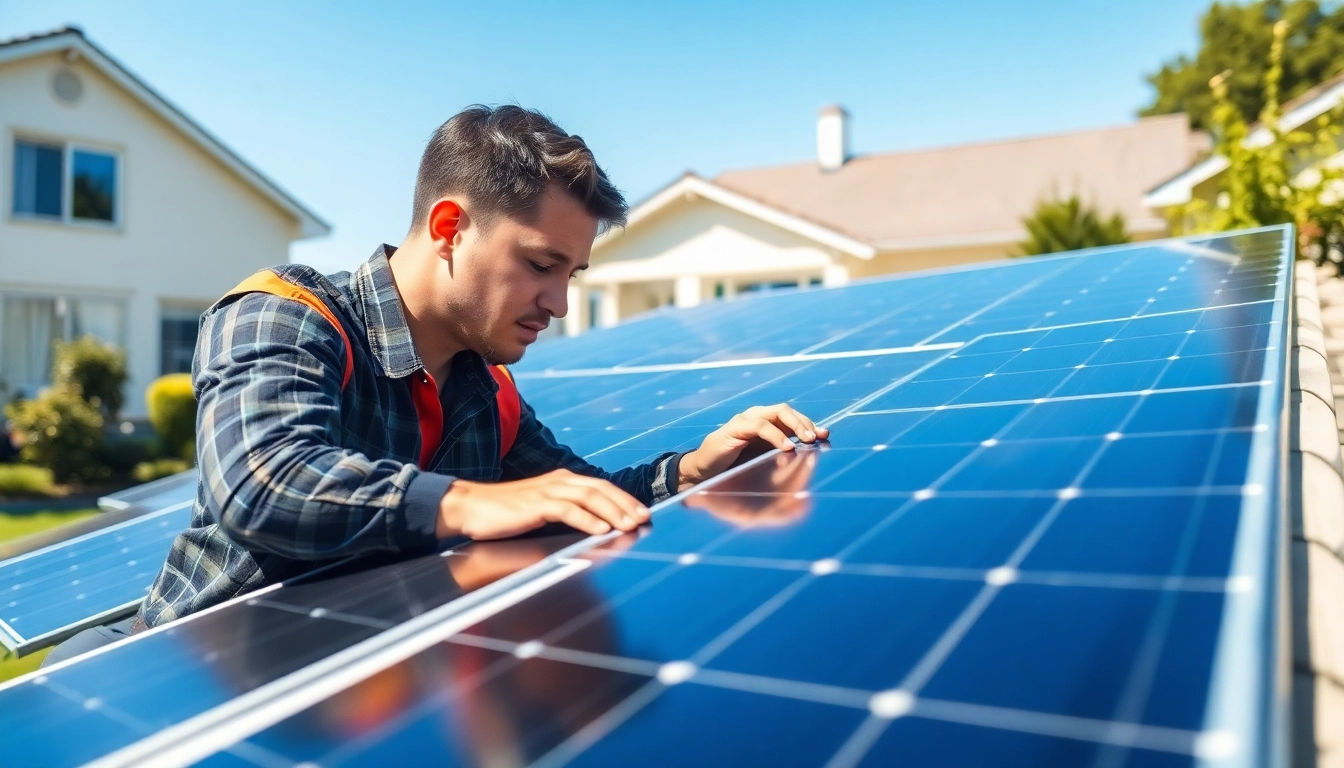
Understanding Solar System Repair
Solar systems are a substantial investment for homeowners looking to harness renewable energy and cut down on electricity costs. However, just like any other piece of equipment, they can encounter issues that may affect their performance. Being informed about solar system repair is essential for ensuring longevity and efficiency. In this section, we will delve into what solar system repair entails, common issues that necessitate repair, and the significance of timely interventions.
What is Solar System Repair?
Solar system repair refers to the process of diagnosing and fixing problems related to solar panels, inverters, batteries, and other components that comprise a solar energy system. This could involve repairing physical damage to solar panels, fixing wiring or inverter issues, and ensuring that all parts are functioning correctly to maximize energy production. Effective repairs are crucial for maintaining the efficiency of a solar setup, as even minor disruptions can substantially reduce performance.
Common Issues that Require Repair
Solar systems can face a variety of problems, including:
- Physical Damage: Cracks or breaks in solar panels, often caused by severe weather.
- Inverter Issues: Inverters convert direct current (DC) from the panels into alternating current (AC) for home use. Malfunctions can disrupt energy flow.
- Wiring Problems: Faulty or frayed wiring can lead to inefficiencies or system outages.
- Dirty Panels: Accumulated dirt and grime can hinder sunlight absorption, reducing output.
- Battery Failures: Problems in battery systems can prevent solar energy storage, affecting overall power availability.
Why Timely Repairs Matter
Delays in addressing solar system issues can lead to more extensive damage, increased repair costs, and longer downtimes. Moreover, neglected repairs can result in a significant loss of energy production, adversely affecting your return on investment. Regular maintenance and timely interventions can dramatically enhance the reliability and longevity of your solar energy system.
Assessing the Condition of Your Solar System
Signs Your Solar System Needs Repair
Identifying issues early can save you money and ensure your solar system operates at its best. Look for these signs:
- Decreased Energy Output: A significant drop in energy production compared to previous months may indicate a problem.
- Visible Physical Damage: Inspect the panels for cracks, scratches, or breaks.
- Unusual Noises: Buzzing or humming noises may signal inverter issues.
- Error Messages: Check inverter displays or monitoring systems for error notifications.
Conducting a Thorough Inspection
Regular inspections are vital to maintaining a solar system. When inspecting:
- Check Connections: Ensure all wiring and connections are secure and free of corrosion.
- Inspect Panels: Look for dirt or debris that could block sunlight.
- Monitor Performance: Utilize monitoring systems to keep track of energy production.
When to Call a Professional
While DIY inspections are helpful, certain issues require professional expertise. Call a technician if you notice:
- Persistent Errors: Ongoing issues after minor troubleshooting are best assessed by an expert.
- Electrical Concerns: Any signs of electrical shorts or risks necessitate immediate professional attention.
- Structural Damage: Damage due to storms or accidents typically requires specialist repair services.
DIY vs. Professional Solar System Repair
Advantages of Professional Repair Services
While some homeowners may opt for DIY repairs, hiring a professional offers numerous benefits, including:
- Expertise and Training: Technicians have specialized knowledge and training to diagnose issues accurately.
- Access to Tools: Professionals possess the required tools and equipment that may not be available to the average homeowner.
- Warranties and Guarantees: Many professional services offer warranties on repairs, ensuring peace of mind.
- Safety: Professional technicians are trained to handle electrical systems safely, avoiding personal and property risks.
Understanding DIY Limits
While tackling minor issues like cleaning panels or tightening loose connections can save money, not every problem is suitable for DIY. Homeowners should recognize their limitations, especially with:
- Electrical Work: Issues involving electrical systems can be hazardous without proper training.
- Component Replacement: Many components require professional knowledge for safe handling and installation.
Safety Considerations in Repairs
Safety should be paramount when considering solar system repairs. Always follow these guidelines:
- Turn Off Power: Ensure the system is powered down before performing any inspections.
- Use Protective Gear: Gloves and safety goggles are essential when handling electrical components.
- Consult Professionals: If in doubt, it’s always safer to call a qualified technician.
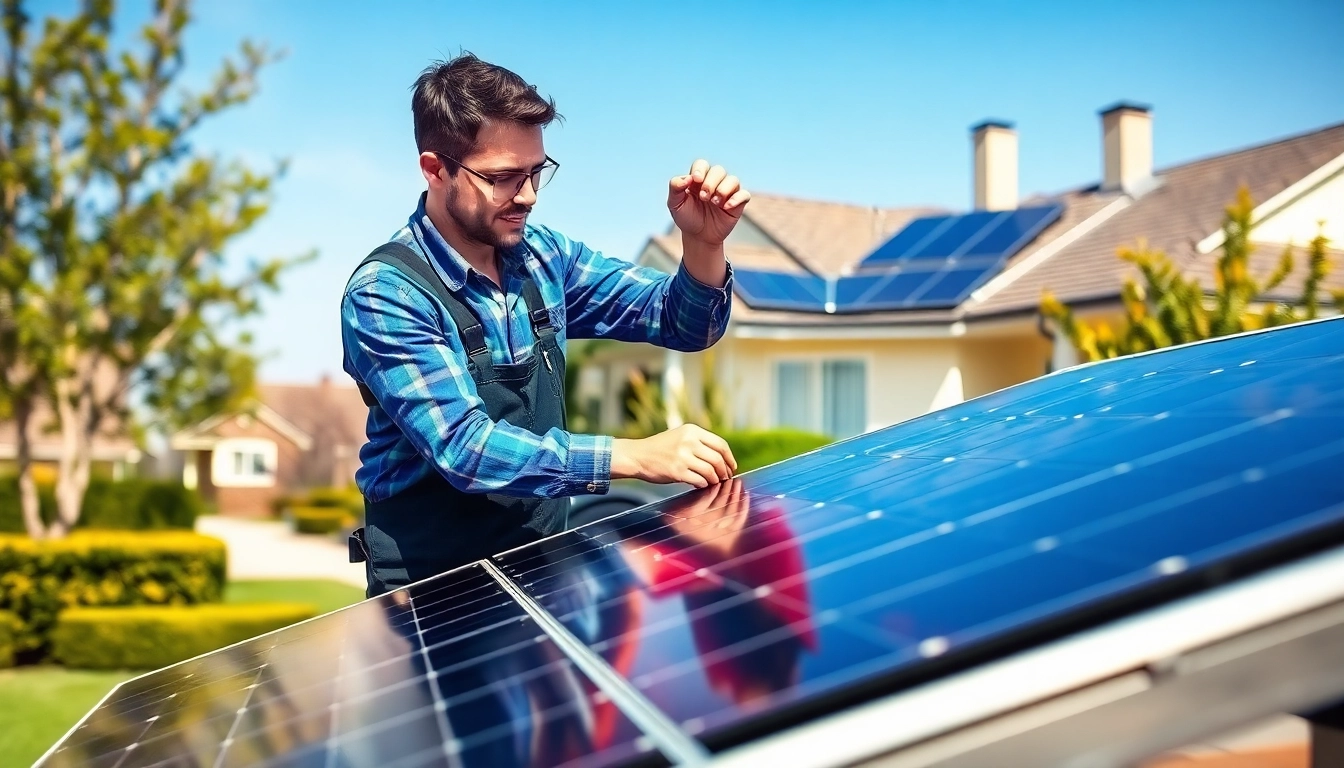
Solar System Repair Process Explained
Steps to Troubleshoot Common Issues
Addressing solar system issues requires a systematic approach. Here’s a general troubleshooting process:
- Identify the Issue: Determine what symptoms are present (e.g., error codes, performance drops).
- Perform Visual Inspections: Check for obvious damage, dirt, or loose connections.
- Use Monitoring Tools: Utilize system monitoring to assess energy production data and error logs.
- Attempt Basic Fixes: Address easy fixes, such as cleaning panels or resetting the inverter.
- Seek Professional Help: If the problem persists, enlist the help of a skilled technician.
Common Repair Techniques
Repair techniques can vary widely depending on the issue, but common methods include:
- Replacing Faulty Components: This might involve swapping out inverters, batteries, or damaged solar panels.
- Wiring Repairs: Fixing frayed wiring or replacing connectors can resolve many electrical problems.
- Cleaning Panels: Regular cleaning can restore efficiency, particularly in dusty or pollen-heavy environments.
Maintaining Your System Post-Repair
Once repairs are made, maintaining your solar system is crucial for long-term efficiency. Consider the following:
- Scheduled Inspections: Regularly scheduled professional inspections can catch problems early.
- Cleaning Routine: Keep panels clean and free of debris to optimize energy absorption.
- Monitoring Performance: Continue to track system output and address any anomalies swiftly.
Cost Factors and Budgeting for Solar System Repair
Typical Costs Associated with Repairs
The cost of solar system repairs can vary greatly depending on the issue and system type. On average, repairs may range from a few hundred to several thousand dollars. Common costs include:
- Inverter Replacement: Typically between $1,000 and $3,000.
- Panel Replacement: Each panel can cost between $200 and $600, depending on the brand and specifications.
- Labor Costs: Professional service fees can add $100 to $200 per hour, depending on the complexity of the repair.
Factors Influencing Repair Costs
Numerous factors can affect repair expenses, including:
- Extent of Damage: Severity and type of the issue significantly affect repair costs.
- Location: Costs may vary regionally based on labor and material availability.
- System Age: Older installations may face higher repair rates due to outdated technology.
Ways to Budget for Solar Repairs
Effective budgeting is essential for managing solar repair costs. Here are some strategies:
- Establish an Emergency Fund: Allocate funds specifically for potential solar repairs.
- Schedule Regular Maintenance: Preventive maintenance can help reduce future repair costs significantly.
- Consider Service Plans: Some service providers offer maintenance plans that cover certain repairs.
Frequently Asked Questions
Can solar panels be repaired?
Yes, many solar panel issues can be repaired, particularly minor cracks and faulty wiring. A qualified technician can assess the damage and determine if repair is safe and cost-effective.
How do I know if my solar system is damaged?
Signs of damage include decreased energy output, visible physical damage to panels, unusual noises from the inverter, or error messages on monitoring systems.
Is it safe to repair solar panels myself?
While some minor maintenance tasks are safe for homeowners, anything involving electrical components should be addressed by professionals to avoid risks.
What is the average cost to repair a solar system?
The cost can vary widely depending on the type of repair, but typical expenses range from a few hundred to several thousand dollars.
How often should I inspect my solar system?
It is advisable to have your solar system inspected at least once a year, while conducting regular visual checks oneself.