

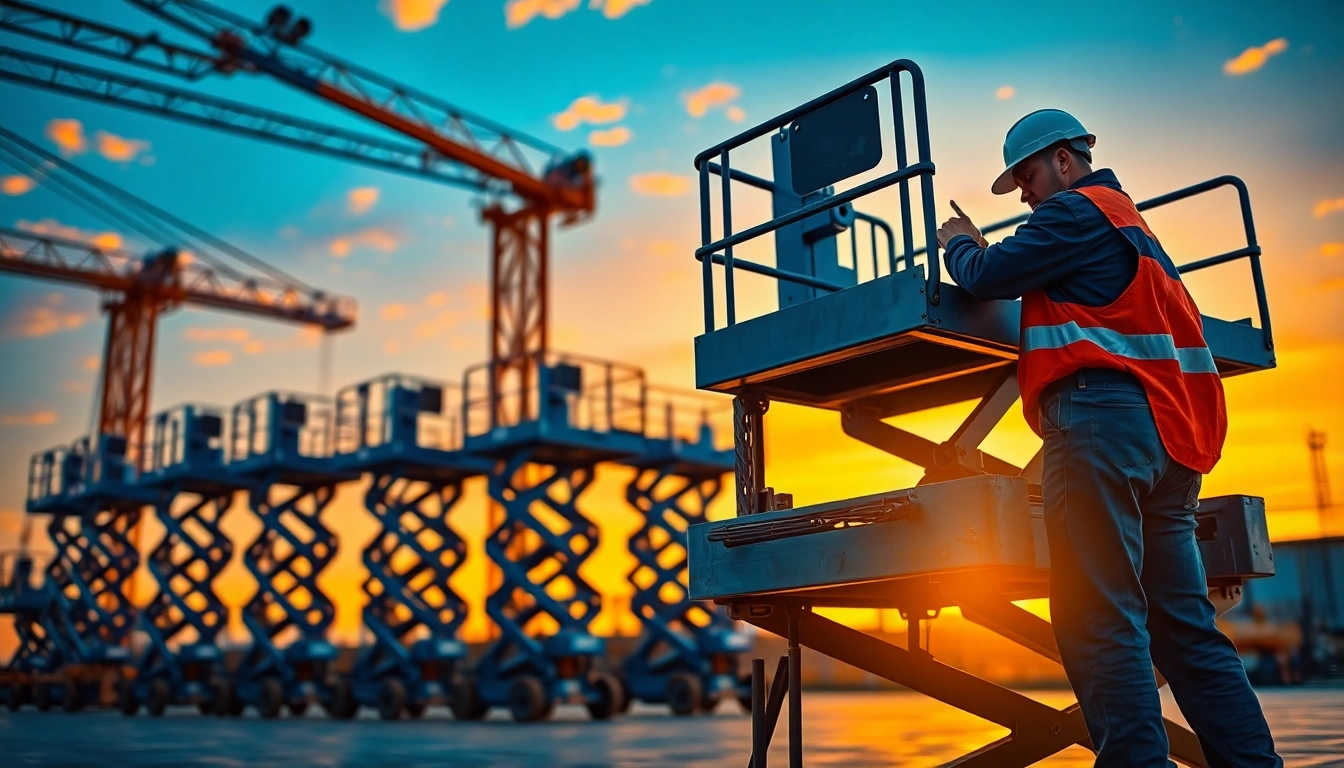
Understanding the Basics of Manlift
What is a Manlift?
A manlift is a pivotal piece of equipment used to elevate workers and their tools in a safe and efficient manner. It is categorized as an aerial work platform, and it operates on a simple principle: providing access to high or hard-to-reach areas. From construction sites to maintenance work, the manlift serves a variety of essential functions, making it a staple in numerous industries.
Manlifts feature an enclosed platform which can be raised and lowered, allowing workers to perform tasks at significant heights. These lifts are powered by hydraulic or mechanical systems, making them both safe and effective for various applications. Whether you are looking to paint a building, change a light bulb, or conduct maintenance work, a manlift can dramatically improve efficiency and safety on the job site. For those in need of reliable equipment, options like manlift rentals offer a practical solution.
Different Types of Manlift
The landscape of manlifts is diverse, with several varying types of lifts tailored to unique project requirements. Among the most common types are:
- Articulating Boom Lifts: These lifts provide exceptional maneuverability, making them ideal for navigating around obstacles in tight spaces. They can extend to reach elevated areas often required in construction and maintenance tasks.
- Telescopic Boom Lifts: Known for their straight reach, these lifts are used when access is needed directly upwards. They are perfect for jobs requiring higher elevation without the need for navigating around objects.
- Scissor Lifts: Best suited for vertical lifting, scissor lifts raise to a platform height that can accommodate tools and personnel but with a limited range of horizontal reach. Ideal for tasks such as indoor maintenance and warehousing.
- Personnel Lifts: These are specifically designed for lifting a limited number of workers and their tools to moderate heights, often used in general construction and repair work.
Common Applications of Manlift
Manlifts are utilized across various sectors due to their versatility. Here are some typical applications:
- Construction: Used extensively to reach high areas for installation, repairs, and inspections.
- Maintenance: Ideal for tasks such as changing lighting fixtures, painting, or even washing windows on tall buildings.
- Warehousing: Manlifts aid in stock retrieval and inventory management, especially in multi-level storage systems.
- Event Setup: They are valuable in setting up equipment and decorations at elevated heights for events and concerts.
Safety Considerations for Manlift Usage
Essential Safety Features
When operating a manlift, safety is paramount. Here are some essential safety features to consider:
- Guardrails: These ensure that workers remain safe and secure on the platform while performing their tasks.
- Emergency Stop Switches: Easily accessible switches enable quick shutdown of the lift in case of an emergency.
- Stability Features: Many manlifts come with stabilizers that enhance the stability of the unit when raised, providing better safety during operations.
- Proper Training Systems: Operator training is crucial for ensuring efficient and safe use of manlifts.
Best Practices for Operating a Manlift
Following best practices is essential to maximize safety while operating a manlift:
- Always perform a thorough pre-operation inspection to identify any issues.
- Ensure the area is clear of obstacles and hazards before elevating.
- Use the manlift in stable weather conditions, avoiding strong winds and rain.
- Never exceed the weight capacity outlined by the manufacturer.
- Always wear appropriate personal protective equipment (PPE).
OSHA Regulations and Compliance
The Occupational Safety and Health Administration (OSHA) sets vital regulations governing the safe operation of manlifts. These guidelines ensure safety standards are maintained and include comprehensive protocols such as:
- Mandatory training for operators to understand the work environment and equipment they will use.
- Regular maintenance and inspections to ensure manlifts are in safe working condition.
- Monitoring and guidelines for safe working conditions, including fall protection measures and weight limits.
Choosing the Right Manlift for Your Needs
Factors to Consider When Selecting a Manlift
Choosing the ideal manlift for your project involves assessing several factors:
- Height Requirements: Determine how high you need to reach for tasks. This will dictate the type of lift you require.
- Load Capacity: Understand the total weight capacity required, including personnel and tools, to ensure safety during operations.
- Terrain: Evaluate the worksite terrain to select a unit that can navigate its challenges effectively, especially on uneven ground.
- Accessibility: Assess the ease of transport and the physical attributes of the workspace where the manlift will be operated.
Comparing Manlift Models and Specs
When comparing different manlift models, consider the technical specifications such as maximum height, reach, weight limit, and operation type (electric vs. diesel). Take note of user reviews and manufacturer details to ensure quality and reliability.
Understanding Rental vs. Purchase Options
Deciding whether to rent or purchase a manlift depends on the frequency and duration of use:
- Renting: Ideal for short-term projects where the initial cost of purchase isn’t justified. Rentals also offer flexibility and access to newer models.
- Purchasing: More suitable for companies with consistent usage that may benefit from long-term investments, although it involves maintenance costs and ownership responsibilities.
Maintenance and Care for Your Manlift
Routine Inspection and Maintenance Tips
Routine inspection is crucial to ensure the longevity and safety of your manlift. Here are some tips:
- Regularly check hydraulic fluid levels and functionality.
- Inspect brakes, lift chains, and other mechanical components for wear and tear.
- Ensure all safety features are operational before and during usage.
- Keep the equipment clean to prevent corrosion and wear from debris.
Signs Your Manlift Needs Repairs
Identifying repair needs early can prevent accidents and extend the life of the equipment. Watch for these signs:
- Unusual noises during operation, signaling wear in mechanical parts.
- Delayed response when operating controls, indicating possible hydraulic issues.
- Physical damage to the platform or components, such as cracks or deformities.
Extending the Lifespan of Your Manlift
To enhance the lifespan of your manlift, consider these best practices:
- Maintain a regular inspection schedule and adhere to manufacturer guidelines for maintenance.
- Store the equipment in a protected environment to reduce exposure to harsh weather conditions.
- Provide training for operators on proper use to minimize misuse and wear.
FAQs About Manlift
What is another name for a Manlift?
Manlifts are often referred to as aerial lifts, providing a safe platform to elevate workers and equipment.
How do I choose the best Manlift for my project?
Consider factors such as height requirements, load capacity, and specific job site conditions to choose effectively.
What safety features should I look for in a Manlift?
Look for features like guardrails, emergency stop switches, and proper braking systems to ensure operator safety.
What are the typical uses for a Manlift?
Manlifts are commonly used in construction, maintenance tasks, and any project requiring access to elevated areas.
Are there specific OSHA regulations for Manlift operations?
Yes, OSHA mandates guidelines for safe operations, including training and maintenance requirements for Manlift usage.